Are Glass Air Fryers Safe
Glass air fryers are a modern alternative to traditional countertop convection ovens. Many people often wonder if glass air fryers are safe for regular cooking tasks in the home kitchen. This article explores the safety features of these appliances. Readers will learn about the materials used, potential risks, and how to maintain these units properly for long-term use.
Key Takeaways
- Glass air fryers are generally safe because they do not contain plastic coatings or non-stick chemicals that can degrade over time.
- Borosilicate glass is the standard material used, which helps the bowl withstand high heat without cracking.
- The primary safety concern with glass is physical breakage from impact rather than chemical leaching.
- Users should avoid thermal shock by letting the glass bowl cool down naturally before rinsing it with cold water.
What Makes Glass Air Fryers Different
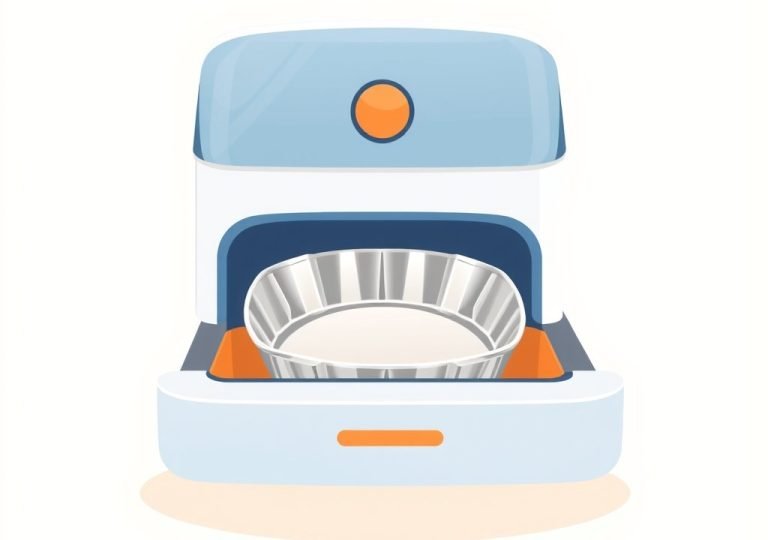
Traditional air fryers usually feature a metal basket coated with a non-stick substance. In contrast, a glass air fryer uses a transparent, heat-resistant bowl to hold food. This design changes how the appliance looks and functions.
Materials Used in Glass Air Fryers
Most glass air fryers rely on borosilicate glass. This type of glass includes boron trioxide, which makes it resistant to rapid temperature changes. It is a common material in laboratory glassware and high-end oven dishes. The lid of these units often contains the heating element and the fan. This part is usually made of plastic or heat-resistant composite materials. Because the heating component sits on top, it does not touch the food directly.
How Visible Cooking Works
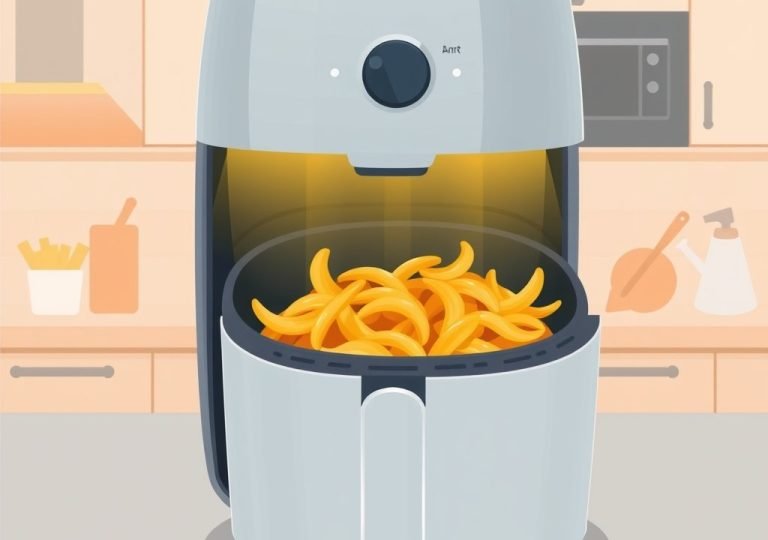
The transparent nature of the glass bowl allows for constant monitoring of the food. Users can see the browning process without opening the lid. This feature prevents heat loss that occurs when pulling out a traditional basket. Because the bowl is clear, it is easy to judge when a meal is ready. This visibility reduces the need for constant guessing or frequent checks. It also helps beginners learn how different foods react to circulating hot air.
Are Glass Air Fryers Safe for Daily Use
Safety is a primary concern for anyone using high-heat appliances. Glass is an inert material, meaning it does not react with food at high temperatures. It does not release fumes or chemicals into the air during the cooking process.
Benefits of Borosilicate Glass
Borosilicate glass is stable and does not contain substances like PFOA or PTFE. These chemicals are sometimes found in non-stick coatings on traditional metal baskets. For those who worry about chemical ingestion, glass provides a clean cooking surface. The surface is also non-porous. It does not absorb flavors or odors from previous meals. This ensures that the taste of one dish does not carry over to the next. The material remains neutral regardless of the ingredients used.
Handling Heat and Thermal Shock
Thermal shock occurs when glass experiences a sudden change in temperature. For example, moving a hot bowl directly to a cold surface can cause it to shatter. Most manufacturers design these bowls to handle standard cooking temperatures. Still, it is important to place the hot bowl on a heat-resistant mat or a wooden board. Never place a hot glass bowl on a cold countertop or inside a sink filled with cold water. Gradual cooling is the best way to maintain the integrity of the glass.
Comparison with Traditional Plastic Air Fryers
Most conventional air fryers use plastic housing and non-stick baskets. While these are tested for safety, some users prefer the transparency of glass. Each design has its own set of considerations for the home cook.
Chemical Exposure and Material Integrity
Plastic parts can sometimes emit a faint odor when new or during the first few uses. This is usually due to manufacturing residues and typically fades quickly. Glass does not produce these odors at all. Non-stick coatings on metal baskets can wear down if scratched by metal utensils. Once the coating flakes, it may lose its effectiveness. Glass does not have this issue, as the material itself is the cooking surface.
Cleaning and Maintenance Differences
Cleaning a glass bowl is usually straightforward. Because the surface is smooth, food residues do not stick as easily as they might on textured metal. Most glass bowls are dishwasher safe, though hand washing is often recommended to prevent chips. Plastic housings on traditional air fryers require careful wiping to avoid damaging the finish. Glass bowls can be scrubbed with non-abrasive tools to remove stubborn grease. It is easier to see if the bowl is truly clean after washing.
Tips for Using Glass Air Fryers Safely
Safe operation of any appliance starts with following the instructions provided by the maker. Glass air fryers require a few specific habits to ensure they last for many years. These tips focus on physical handling and proper temperature management.
Managing Temperature and Glass Fragility
Always use oven mitts when handling the glass bowl after cooking. The glass retains heat for a long time, even after the heating element turns off. Never attempt to lift the glass bowl while it is still hot. Avoid hitting the glass bowl against the edge of the sink or other hard surfaces. While the glass is thick and durable, it is still susceptible to cracks if struck with force. Treat the bowl with the same care as a glass baking dish.
Proper Cleaning Techniques
Allow the glass bowl to reach room temperature before washing. If the bowl is very greasy, a soak in warm soapy water helps loosen the residue. Use a soft sponge or cloth to wipe the interior surfaces. Avoid using steel wool or harsh scouring pads. These can create tiny scratches on the surface of the glass. Over time, these scratches can weaken the glass structure and make it more prone to breaking under heat.
Frequently Asked Questions
Do glass air fryers break easily?
Glass air fryers are made of toughened, heat-resistant glass that is quite sturdy. They do not break easily under normal cooking conditions, but they can crack if dropped or subjected to extreme thermal shock.
Is glass safer than non-stick coating?
Glass is generally considered a safer option for those concerned about chemical coatings. It is an inert material that will not leach chemicals into food, even if the surface becomes scratched or worn.
Can I use metal utensils in a glass air fryer?
It is better to use silicone or wooden utensils to avoid scratching the surface. While glass is harder than non-stick coating, metal tools can still cause surface damage that may lead to structural weakness over time.
Do glass air fryers cook food evenly?
Yes, they cook food very evenly because the transparent bowl allows for better airflow and heat distribution. The circular shape of most glass bowls helps the hot air circulate around the food effectively.
What should I do if the glass bowl cracks?
If the glass bowl develops a crack, you should stop using it immediately. A cracked bowl is no longer safe to handle and could shatter completely during a cooking cycle. Contact the manufacturer for a replacement part.
Summary of Glass Air Fryer Safety
Glass air fryers offer a clear, chemical-free way to cook meals. The use of borosilicate glass ensures the appliance can handle high temperatures without releasing harmful substances. This makes them a reliable choice for beginners and experienced cooks alike. Safety depends largely on how the user handles the glass bowl. By avoiding sudden temperature changes and protecting the glass from physical impact, the appliance can remain in good condition. Keeping the glass clean and free of scratches helps prolong the life of the unit. In short, these appliances provide a balanced cooking experience. They combine the convenience of air frying with the peace of mind that comes from using glass. For those who want to see their food cook and avoid synthetic coatings, a glass air fryer is a practical kitchen addition.

Mary is a home cooking enthusiast and kitchen appliance reviewer who loves helping people find the best tools for everyday meals. She enjoys testing air fryers, deep fryers, and other cooking appliances while sharing honest reviews and practical buying advice. Through FryerPick.com, Mary provides expert guides, product comparisons, and cooking tips to help readers choose the right fryer for their kitchen.