How To Reheat A Cooked Pie In Air Fryer
Reheating leftovers can be a challenge when you want to maintain the original texture of a dish. Learning how to reheat a cooked pie in air fryer appliances is a useful skill for anyone who enjoys pastry-based meals. This method helps restore the crispness of the crust while ensuring the filling reaches a safe and pleasant temperature. This article explains the process for warming up various types of pies, including fruit, meat, and savory varieties. You will find practical advice on temperature settings, timing, and how to avoid common mistakes. By following these guidelines, your leftovers can taste nearly as good as when they were fresh from the oven.
Key Takeaways
- The air fryer circulates hot air to revive a soggy crust that often results from microwave reheating.
- Consistent, low-to-medium heat prevents the edges of the pastry from burning before the center warms up.
- Using aluminum foil can protect the crust if the top begins to brown too quickly during the process.
- Checking the internal temperature ensures the filling is hot enough for safe consumption.
Why Use an Air Fryer for Leftover Pie
Most people rely on microwaves for quick reheating, but this often leads to disappointing results with baked goods. Microwaves work by exciting water molecules, which tends to soften crusts and make pastry limp or chewy. A pie that was once flaky can become rubbery in a matter of seconds. An air fryer functions more like a small, efficient convection oven. It uses a fan to push hot air around the food, which helps draw out excess moisture from the surface of the pastry. This process is effective at crisping the outer layers while warming the interior. Because of this, it is often the preferred choice for restoring the quality of a leftover pie. The size of an air fryer is also an advantage for smaller portions. It heats up much faster than a standard kitchen oven and uses less energy for small tasks. If you only have one or two slices left, you do not need to wait for a large appliance to preheat. This makes it a practical tool for everyday meal management.
Essential Steps to Reheat a Cooked Pie
The process of reheating is straightforward, but it requires some attention to detail. You should approach the task with a plan to ensure the heat penetrates the center without drying out the ingredients. A systematic approach helps achieve consistent results every time you use the device.
Prepare Your Pie for the Air Fryer
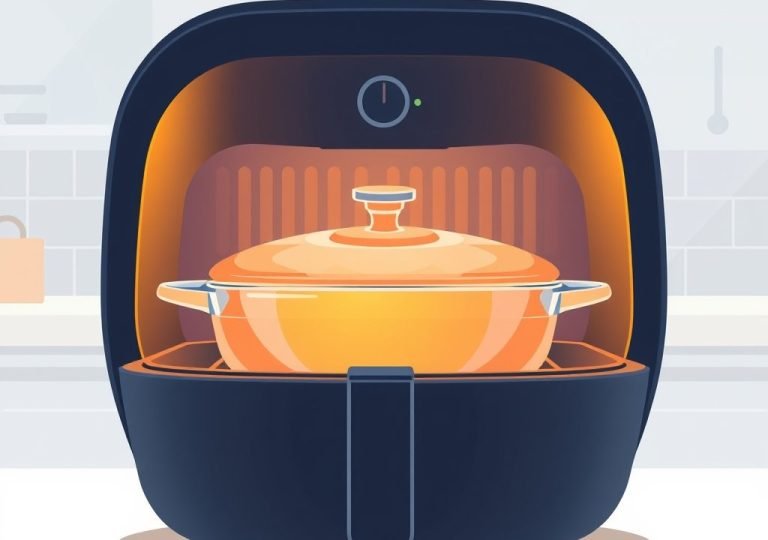
Begin by taking the pie out of the refrigerator a few minutes before heating. Cold food takes longer to warm through, which increases the risk of the exterior burning before the middle is ready. If you are heating a whole pie, check that it fits inside the basket without touching the heating element at the top. If you are heating individual slices, place them in the basket with enough space between them for air to move. You do not want the slices to overlap, as this creates cold spots and uneven heating. If the pie is in a metal or glass dish, ensure the dish is safe for air fryer use before placing it inside.
Set the Right Temperature and Time
A common mistake is using a temperature that is too high. For most pies, a setting between 300°F and 325°F is appropriate. This lower heat allows the warmth to travel to the center of the pie slowly. High temperatures often char the crust while leaving the filling cold. Start with a time of five to ten minutes for a single slice. Larger portions or whole pies will require more time, potentially fifteen to twenty minutes or longer. It is better to check the progress frequently than to guess and risk overcooking. You can always add more time if the pie is not yet warm enough for your preference.
Tips for Achieving a Crispy Crust
The main goal when reheating a pie is to avoid a soggy base. The air fryer is excellent at this, but you can improve the outcome with a few adjustments. If the pie has a delicate crust, pay close attention to the way the air flows around it.
Managing Internal Heat
The filling of a pie, especially one with meat or cream, takes longer to reach the correct temperature than the pastry. If the crust begins to look dark while the center is still cool, you have a few options. You can lower the temperature slightly or remove the pie and slice it in half to help the heat reach the interior. If you have a meat pie with a dense filling, you might need to heat it for a longer duration at a lower temperature. This ensures that the heat travels through the dense center without compromising the integrity of the pastry. Patience is important when dealing with thicker fillings.
Preventing Over-Browning
Sometimes the top of the pie browns faster than the rest due to its proximity to the heating element. If you notice this happening, cover the top of the pie with a small piece of aluminum foil. This acts as a shield and prevents the crust from burning while the rest of the pie continues to heat. Do not wrap the pie tightly in foil, as this traps steam and softens the crust. Instead, simply place a loose sheet over the top or tuck it slightly around the edges. This simple technique keeps the appearance of your pie looking fresh and appetizing.
Comparing Air Frying to Microwave Reheating
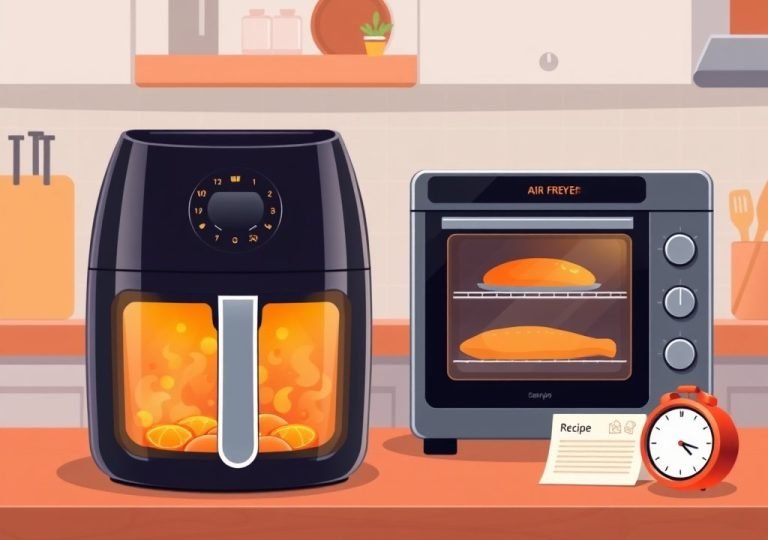
The difference between an air fryer and a microwave is significant when it comes to pastry. A microwave is designed for speed and convenience, but it lacks the ability to create a crisp texture. It often leaves crusts soggy and can cause some fillings to explode if they become too hot too quickly. On the other hand, the air fryer provides a dry, circulating heat that mimics the original baking process. While it takes more time than a microwave, the texture is far superior. Most users find that the slight increase in waiting time is worth the benefit of a crispy, flaky crust. If you are in a rush, you can combine the two methods. Start by warming the pie in the microwave for thirty seconds to take the chill off the center. Then, move it to the air fryer for three to five minutes to crisp the crust. This hybrid method is a common trick for busy households.
Frequently Asked Questions
Can I reheat a frozen pie in the air fryer?
Yes, you can, but it requires a lower temperature for a longer time. Start at 300°F to ensure the center thaws and heats through without burning the exterior. You may need to increase the time significantly compared to a refrigerated pie.
How do I know when the pie is heated through?
The best way is to use a food thermometer to check the center of the filling. If you do not have one, insert a small knife into the middle of the pie for a few seconds. If the blade feels hot when you touch it to your wrist, the pie is likely ready.
Should I cover the pie with foil?
You only need foil if the top crust is browning too quickly before the filling is warm. It is not necessary for the entire process. Use it as a shield rather than a wrapper to maintain the crisp texture.
Does the type of crust change the reheating time?
Yes, a thicker, puff pastry crust may take slightly longer than a thin, shortcrust pastry. Richer, butter-heavy crusts also tend to brown more rapidly. Keep a close eye on the pie during the final few minutes of the cycle.
Can I reheat individual slices?
Yes, individual slices are actually easier to reheat than a whole pie. They warm up faster and allow for better airflow in the basket. Ensure you space them out evenly to achieve the best results.
Enjoying Your Leftover Pie
Reheating a cooked pie in an air fryer is a simple way to reduce food waste and enjoy your meals again. By using moderate temperatures and monitoring the progress, you can maintain the quality of the crust and filling. This method brings a fresh-baked feel to dishes that might otherwise lose their appeal after a day or two. As you gain experience with your specific air fryer model, you will learn how it handles different types of pastries. Some units heat faster than others, so treat these guidelines as a starting point. With a little practice, your leftovers will become a reliable and tasty option for any meal.

Mary is a home cooking enthusiast and kitchen appliance reviewer who loves helping people find the best tools for everyday meals. She enjoys testing air fryers, deep fryers, and other cooking appliances while sharing honest reviews and practical buying advice. Through FryerPick.com, Mary provides expert guides, product comparisons, and cooking tips to help readers choose the right fryer for their kitchen.