Combo Fryer Capacity Guide
If you run a food truck, a small diner, or a busy restaurant, you already know how much a good fryer matters. A combo fryer is one of the smartest tools you can add to your kitchen. It lets you fry two different foods at once, using two separate oil tanks in one unit. But before you buy one, you need to know one big thing: capacity.
This guide will walk you through everything about combo fryer capacity in plain, simple words. No fancy jargon, no confusing numbers. Just clear facts that help you pick the right fryer size for your business.
In this article
What Is a Combo Fryer, Exactly?
A combo fryer is a single fryer unit that has two separate frying wells or vats. Each vat has its own oil supply and its own heat control. This means you can fry fish in one side and fry chicken in the other side, without mixing flavors or oils together.
This setup saves space in a kitchen that doesn’t have room for two full-size fryers. It also saves money on equipment costs since you’re buying one unit instead of two. For small restaurants, food trucks, and cafes, this is a huge win.
Why Capacity Matters So Much
Capacity is the amount of food or oil a fryer can hold and cook at one time. If you pick a fryer that’s too small, your kitchen staff will fall behind during busy hours. Orders will pile up, customers will wait longer, and food quality may drop because the oil temperature can’t recover fast enough between batches.
On the other hand, if you pick a fryer that’s too big, you’ll waste oil, waste energy, and waste money on equipment you don’t fully use. That’s why getting the capacity right is one of the most important steps in buying kitchen equipment.
Think about your daily menu, your peak hours, and how many people you serve at once. These factors all shape the capacity you actually need.
How Combo Fryer Capacity Is Measured
Fryer capacity gets measured in a few different ways, and it helps to know each one before you shop.
Oil Capacity (Pounds or Liters)
This tells you how much oil each vat can hold. Small combo fryers might hold around 15 to 20 pounds of oil per side. Larger commercial units can hold 30 to 50 pounds or more per side. More oil usually means more stable temperature control and larger food batches.
Food Capacity (Pounds Per Hour)
This number tells you how many pounds of food the fryer can cook in an hour. It’s often listed as a “production rate.” A small unit might handle around 40 to 60 pounds per hour. A heavy-duty combo fryer built for busy restaurants can handle over 100 pounds per hour.
Basket Size
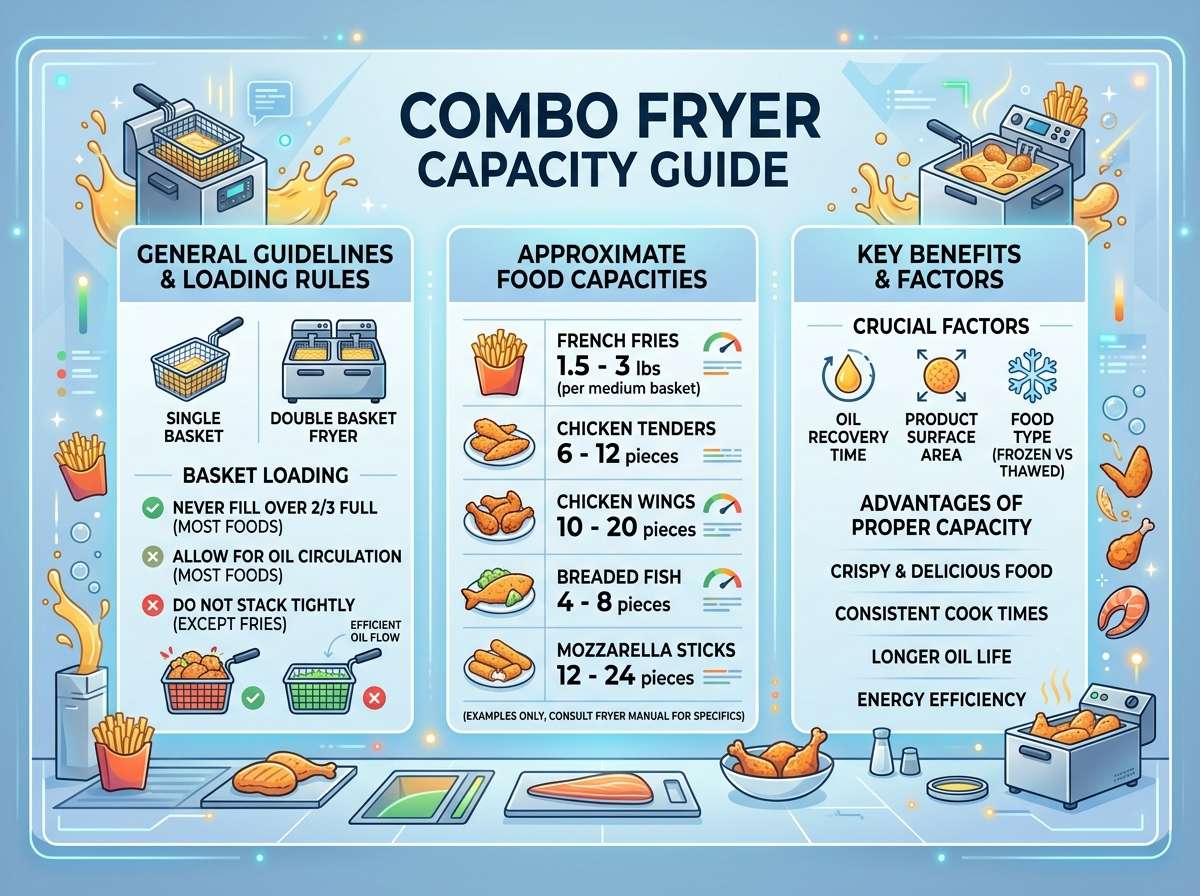
Basket size affects how much food fits into one frying batch. Wider and deeper baskets let you cook more food at once, which speeds up service during rush hours.
Types of Combo Fryers Based on Capacity
Not every combo fryer is built the same. Here’s a simple breakdown based on size and output.
Countertop Combo Fryers
These are compact units made for tight spaces like food trucks, small cafes, or concession stands. They usually hold less oil, around 10 to 15 pounds per side, and cook smaller batches. They’re perfect for low-volume menus like snack items, appetizers, or specialty foods.
Floor Model Combo Fryers
These are bigger, heavier-duty units built for full-service restaurants. They often hold 30 pounds or more of oil per side and can handle continuous frying throughout a busy shift. If your restaurant serves fried food as a main menu item, this type usually fits best.
High-Output Combo Fryers
These are designed for high-volume kitchens like fast food chains, large diners, or catering operations. They come with bigger vats, stronger heating elements, and faster oil recovery times. Some models can fry over 150 pounds of food per hour across both sides combined.
Matching Capacity to Your Business Type
Every kitchen has different needs, so let’s break this down by business type to make it easier.
Food Trucks
Space is tight, and power supply is often limited. A smaller combo fryer with lower oil capacity works well here. Look for compact units that still give decent output for peak lunch or dinner rushes.
Small Cafes and Snack Bars
If frying is a side item rather than your main focus, a mid-range combo fryer is usually enough. You don’t need the biggest unit, just something reliable that keeps up during moderate traffic.
Full-Service Restaurants
If fried appetizers, sides, or entrees are a big part of your menu, go for a floor model with solid oil capacity and strong production rates. This keeps your kitchen running smoothly even during dinner rush.
Fast Food and High-Volume Kitchens
Here, speed and consistency are everything. A high-output combo fryer with fast oil recovery and larger baskets will help your team keep pace with nonstop orders.
Key Factors to Think About Before Buying
Picking the right capacity isn’t just about your menu. A few other things play a role too.
Peak Hour Volume
Think about your busiest hour, not your average hour. If you get slammed with orders during lunch, your fryer needs to handle that peak load without slowing down.
Menu Variety
If you fry many different foods, like fries, chicken, and seafood, a combo fryer with two separate wells helps keep flavors from mixing. Make sure each side has enough capacity for your most popular items.
Kitchen Space
Measure your kitchen layout before buying. A high-capacity fryer takes up more floor space and needs proper ventilation. Make sure it actually fits where you plan to put it.
Power and Gas Requirements
Bigger fryers often need stronger power connections or gas lines. Check your kitchen’s electrical or gas setup so it matches your new equipment’s requirements.
Staff Size
A larger fryer needs someone actively managing it during busy hours. If you have a small crew, an oversized fryer might be hard to manage efficiently.
Oil Recovery Time and Why It Matters
Oil recovery time is how fast the fryer’s oil returns to the right temperature after you drop in cold food. This detail connects directly to capacity because a fryer with strong heating power can handle bigger batches without dropping in quality.
If your oil takes too long to recover, your fried food turns out soggy or greasy since the temperature isn’t hot enough to seal in crispiness. Combo fryers with high BTU or wattage ratings usually offer faster recovery, especially helpful during rush hours when orders come in nonstop.
Gas vs Electric Combo Fryers and Capacity
The power source you pick also affects performance and capacity.
Gas combo fryers usually heat oil faster and recover temperature quicker after big batches. They tend to work well for high-volume kitchens that need speed and consistency.
Electric combo fryers often give more precise temperature control, which some chefs prefer for delicate items like seafood or breaded foods. They may take a bit longer to recover heat compared to gas models, so this is worth thinking about if your kitchen handles heavy volume.
Both types come in various capacities, so your choice mostly depends on your kitchen setup, energy costs, and cooking style rather than capacity alone.
Common Mistakes to Avoid
Many kitchen owners make simple mistakes when picking fryer capacity. Here are a few to steer clear of.
Buying based on price alone. A cheaper fryer with low capacity might slow down your service and cost more in labor time and unhappy customers.
Ignoring peak hour demand. Always plan for your busiest moments, not just your regular flow.
Overestimating needs. Buying a fryer way bigger than needed wastes oil, energy, and kitchen space.
Skipping basket size checks. Some fryers have solid oil capacity but small baskets, which limits how much food fits per batch.
Forgetting about maintenance space. Bigger units need extra room around them for cleaning and oil changes. Don’t box your fryer in with no space to work.
Tips for Getting the Most Out of Your Combo Fryer
Once you pick the right size, a few habits help you get better performance and a longer equipment lifespan.
Keep the oil clean and filtered regularly, since dirty oil slows down cooking and affects taste. Don’t overload baskets past their recommended limit, because this drops oil temperature too fast and leads to uneven cooking. Train your staff on proper loading techniques so both sides of the fryer get used efficiently. Schedule regular maintenance checks to keep heating elements and thermostats working at full strength.
These small habits keep your fryer running at its best capacity, day after day.
How to Calculate the Capacity You Actually Need
Here’s a simple method many kitchen owners use to estimate the right size.
First, figure out your average number of fried food orders per hour during peak times. Next, estimate the average weight of food per order, like a typical fry basket weight or a chicken portion weight. Multiply these two numbers together to get your target pounds per hour.
For example, if you serve 40 fried orders per hour and each order weighs about 1.5 pounds, that’s 60 pounds per hour. Look for a combo fryer with a production rate that matches or slightly exceeds this number, so you have a bit of buffer during unexpected rushes.
This simple math helps take the guesswork out of your decision and gives you real numbers to compare against manufacturer specs.
Signs Your Current Fryer Capacity Isn’t Enough
If you already have a combo fryer, watch for these warning signs that tell you it’s time to upgrade.
Long ticket times during busy hours often point to a fryer that can’t keep pace with orders. Soggy or undercooked food usually means the oil temperature drops too much between batches. Staff constantly waiting on frying stations shows the equipment is becoming a bottleneck. Frequent oil changes needed sooner than expected can mean the fryer is being overworked past its comfortable limit.
Noticing these patterns early helps you plan an upgrade before it hurts your customer experience.
Cleaning and Upkeep Based on Fryer Size
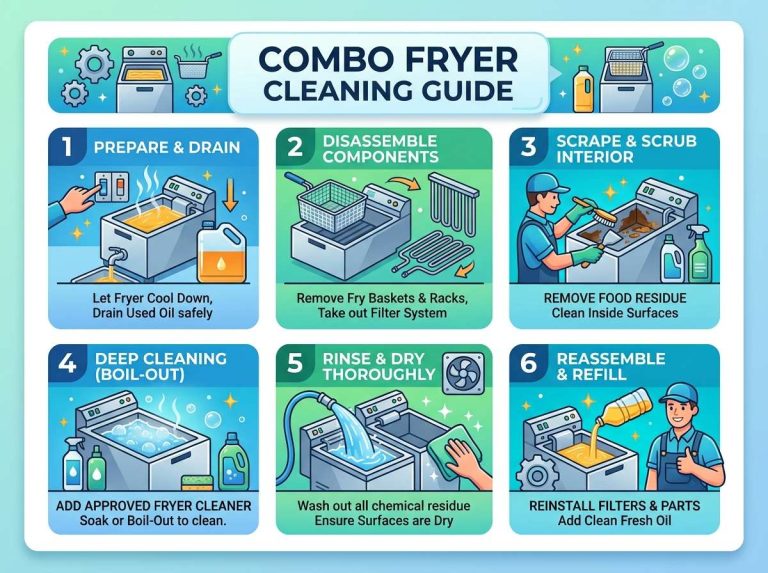
Bigger fryers with higher capacity need a bit more attention when it comes to cleaning. More oil means more filtering, and more food output means more crumbs and debris building up at the bottom of the vat. Set a daily skimming routine to remove loose food bits floating in the oil, since these bits burn over time and give your food a bitter taste.
Filter the oil at least once a day if you run a high-volume fryer, and boil out the tanks on a regular schedule to clear built-up grease and residue. A clean fryer heats more evenly, which means the food capacity you paid for actually gets used the way it should. Neglecting cleaning shrinks your real-world capacity even if the machine specs look great on paper.
Energy Efficiency and Capacity Trade-Offs
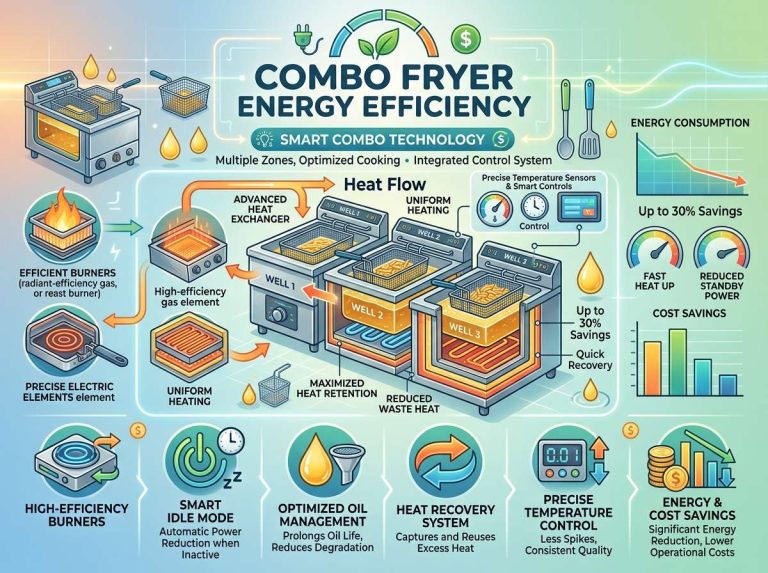
Larger combo fryers pull more power or gas to keep two big vats hot at once. This is worth factoring into your decision, especially if your utility costs run high. Some newer models come with energy-saving features like insulated walls, smart idle modes, and programmable heat settings that lower power draw during slow periods.
If your kitchen has slow stretches between rush hours, look for a fryer with an energy-saving or standby mode. This lets the unit hold a lower temperature when it’s not actively frying, then jump back to full heat quickly once orders start coming in again. This small feature can save real money over time without hurting your actual frying capacity when you need it most.
Renting or Leasing Based on Capacity Needs
If you’re not ready to commit to buying a large combo fryer, renting or leasing is worth a look. This route works well for seasonal businesses, pop-up kitchens, or restaurants testing a new fried food item before adding it permanently to the menu. Leasing lets you try out a certain capacity level without a big upfront cost, and you can upgrade later once you know your real demand.
Talk to equipment suppliers about short-term rental options if your capacity needs change throughout the year, like a beach town restaurant that gets busy in warmer months and slows down otherwise. This flexible approach avoids locking you into one fixed size before you’ve tested actual demand in your kitchen.
Questions to Ask Before You Buy
Before signing off on a combo fryer purchase, run through a short checklist with your supplier or manufacturer.
Ask about the exact oil capacity per side, not just the total combined number, since some listings blur this together. Ask about the real production rate under normal kitchen conditions, not just lab-tested numbers. Find out the oil recovery time after a full basket drop, and ask how this changes with different food types like frozen versus fresh. Check on warranty terms for the heating elements, since these parts see the heaviest wear in high-capacity units.
Getting clear answers to these questions helps you compare fryers fairly instead of judging equipment by price tag alone.
A Quick Comparison Table
| Fryer Type | Oil Capacity Per Side | Production Rate | Best For |
|---|---|---|---|
| Countertop | 10–15 lbs | 30–50 lbs/hr | Food trucks, small stands |
| Floor Model | 20–35 lbs | 60–100 lbs/hr | Full-service restaurants |
| High-Output | 35–50+ lbs | 100–150+ lbs/hr | Fast food, catering, chains |
Use this table as a quick reference point, then match it against your own peak hour numbers from earlier in this guide.
Final Thoughts
A combo fryer can make a huge difference in how smoothly your kitchen runs, but only if the capacity matches your actual needs. Take time to look at your menu, your busiest hours, your kitchen space, and your staff size before making a purchase. A fryer that’s too small will slow you down, and one that’s too big will waste resources you could use elsewhere.
Use the tips and numbers in this guide as your starting point, and don’t be afraid to ask equipment suppliers for real production rate data before buying. The right combo fryer, sized properly for your business, pays off in faster service, better food quality, and a happier kitchen team.

Mary is a home cooking enthusiast and kitchen appliance reviewer who loves helping people find the best tools for everyday meals. She enjoys testing air fryers, deep fryers, and other cooking appliances while sharing honest reviews and practical buying advice. Through FryerPick.com, Mary provides expert guides, product comparisons, and cooking tips to help readers choose the right fryer for their kitchen.