Combo Fryer Cooking Chart
A combo fryer cooking chart is a simple guide that lists foods alongside suggested temperatures and cooking times. It helps you get good results from a combo fryer without guessing. If you are new to this kind of appliance, a chart is one of the fastest ways to build confidence.
This article explains what a chart is, how a combo fryer works, and how to read the columns on a chart. It also covers examples by food type, step-by-step tips, common mistakes and answers to frequent questions. By the end, you will know how to use a chart as a starting point and adjust it to your own kitchen.
In this article
Key Takeaways
- A combo fryer cooking chart gives starting temperatures and times for different foods.
- Charts are a starting point, so check doneness and adjust for food size and thickness.
- Preheating, not overcrowding the basket, and shaking food improve results.
- Every model runs a little differently, so learn your own fryer over time.
What Is a Combo Fryer Cooking Chart?
A combo fryer cooking chart is a reference table that matches common foods with a suggested cooking function, temperature and time. Many manufacturers include one in the user manual or on the packaging. Some people also print their own version and keep it near the appliance.
The chart does not replace your judgment. It gives you a reasonable place to begin, and you adjust from there. Think of it as a recipe starting point rather than a strict rule.
Why Beginners Use a Cooking Chart
New users often do not know how long a frozen snack or a chicken thigh needs. A chart removes much of that guesswork. It also helps you avoid the two most common results: food that is raw inside or food that is dry and dark outside.
Charts are also helpful when you cook a food you rarely make. Instead of searching for times each time, you can read the answer in seconds.
What a Combo Fryer Does Differently From a Basic Air Fryer
A basic air fryer usually does one job well: it moves hot air quickly around food in a small basket. A combo fryer adds more functions to the same appliance. These may include baking, roasting, reheating and dehydrating, depending on the model.
Because of these extra settings, the chart may list more than one function for the same food. Read the function name carefully before you start. Using the wrong setting can change the result a lot.
How a Combo Fryer Works
A combo fryer heats air with an element and moves it with a fan. The hot air circulates around the food and browns the outside. This is why the appliance can crisp food with little or no oil.
The basket or tray holds the food close to the moving air. Airflow matters as much as heat. If food blocks the airflow, parts of it stay pale or soft.
Air Frying, Convection Baking and Other Functions
Air frying uses high heat and strong airflow to crisp food. It suits fries, wings, vegetables and frozen snacks. Convection baking uses moving hot air at a gentler setting, which suits cookies, muffins and small cakes.
Other functions, such as roasting or reheating, often use a lower or steadier heat. Each function changes how the food cooks, so the chart usually matches a specific function to each food. Always select the function the chart lists.
Why Temperature and Time Matter
Temperature controls how fast the outside browns and how deep the heat reaches. Time controls if the center becomes fully cooked. Both need to work together.
If the temperature is too high, the outside may darken before the inside is ready. If the time is too short, the food may stay cold in the middle. A balanced setting gives even results.
Reading a Combo Fryer Cooking Chart
Most charts are easy to scan once you know what each column means. Take a moment to read the header row before you look at the food names. This prevents mix-ups.
Common Columns: Food, Temperature, Time and Shake Reminder
The first column usually lists the food, often with a note about weight or form, such as frozen or fresh. The temperature column shows the suggested heat setting. The time column gives a range in minutes, not one fixed number.
Many charts also include a shake or flip reminder. This tells you when to open the basket and move the food. Following that reminder helps the outside cook evenly.
Some charts add a notes column. It may mention preheating, oil spray or the need to stop halfway through. Read these notes before you start, since they often change the result.
How to Adjust Times for Food Weight and Thickness
Charts usually assume a typical portion. If you cook more food, or pieces that are much thicker, the time will need to increase. Smaller or thinner pieces usually need less time.
Start at the low end of the time range. Check the food, then add a few minutes if needed. This approach protects you from overcooking, which is easy to fix by checking early but hard to undo once it happens.
Frozen food often needs a bit more time than fresh food of the same size. Because of this, check frozen items closely near the end of the range.
Basic Cooking Chart Examples by Food Type
Charts are easier to understand with examples. The ideas below describe general patterns. Always follow the specific numbers printed for your own fryer, since models differ.
Frozen Foods Such as Fries and Nuggets
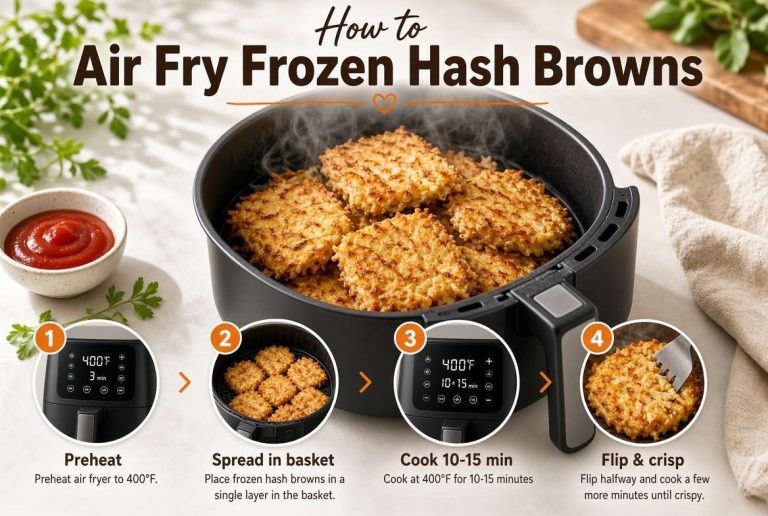
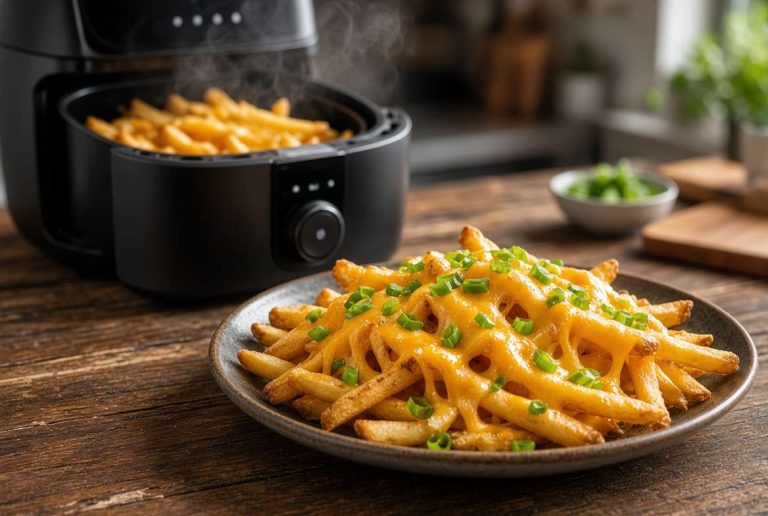
Frozen fries and nuggets are among the most common uses for a combo fryer. They usually cook at a high setting for a short to medium time. Shaking the basket partway through helps them brown on all sides.
Spread frozen items in a single layer where possible. Crowding them can leave some pieces soft. A light check near the end of the time range is a good habit.
Vegetables and Potatoes
Vegetables often cook well at a medium-high setting. Cut them into even pieces so they finish at about the same time. Potatoes need enough time for the center to become soft while the outside crisps.
A small spray of oil can help browning and flavor. Too much oil, however, can make the basket greasy and the results uneven. A light coating is usually enough.
Meat, Poultry and Fish
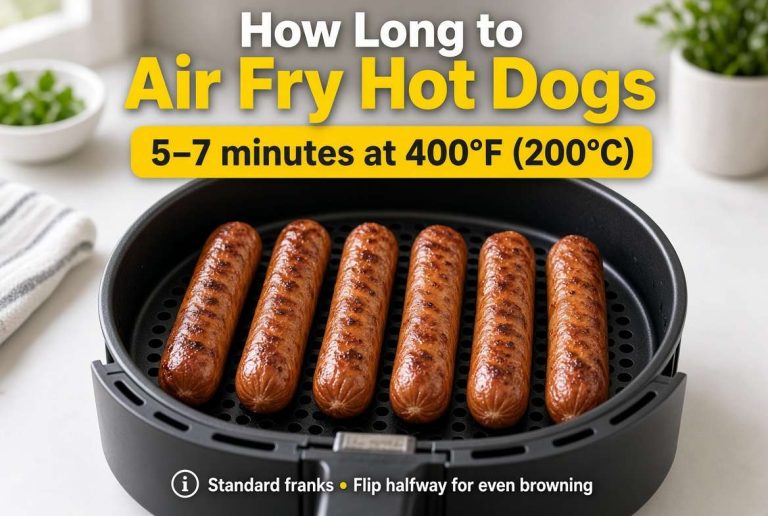
Meat and poultry need the most attention to safety. The chart gives a time range, but the true test is the internal temperature. Use a food thermometer to confirm that the thickest part has reached a safe level.
Fish is more delicate. It can cook quickly and may fall apart if moved too often. Check it early and use a gentle hand when you turn it.
Baked Goods and Reheating Leftovers
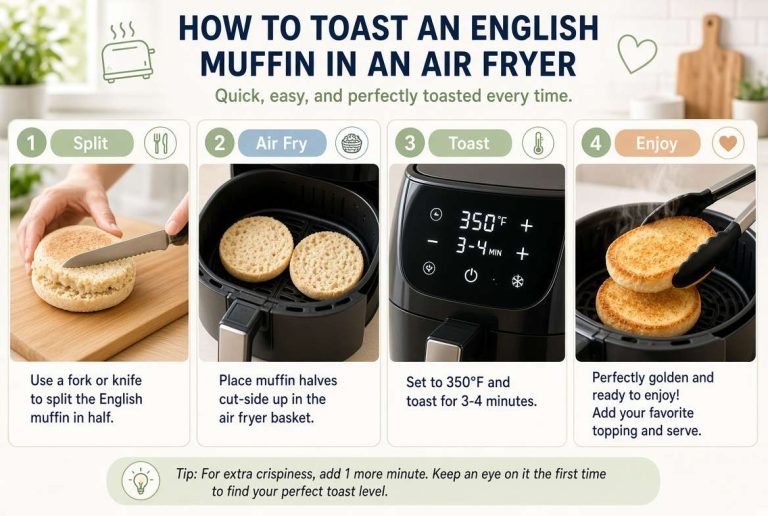
Some combo fryers can bake small items such as muffins or cookies. These usually use a lower temperature than frying. Watch them closely, since small baked goods can brown fast.
Reheating leftovers often works best at a moderate setting for a short time. This helps warm the middle without drying out the outside. Check that the food is hot all the way through before eating.
Step-by-Step Tips for Using a Chart
A chart works best when you follow a simple routine. The steps below apply to most combo fryers. Your manual may add details for your model.
Preheating and Preparing Your Food
Preheating means running the fryer for a few minutes before adding food. Many charts assume you do this. It helps the food start cooking right away and brown more evenly.
Pat wet food dry before cooking. Excess moisture slows browning and can make food steam instead of crisp. Arrange the food in a single layer when you can.
Checking Doneness With a Food Thermometer
A food thermometer is the most reliable way to check doneness. Insert it into the thickest part of the food without touching the bone or the basket. Compare the reading with trusted safe temperature guidelines for that food type.
Looks can mislead. Meat may brown well on the outside and still be undercooked inside. A thermometer removes the guesswork.
Adjusting for Your Specific Model
Every combo fryer heats and moves air a little differently. A chart written for one model may need a small change on another. Start with the chart, then watch your first batch closely. Over time, you will learn how your own appliance behaves.
Keep a note of what worked.
If your fries finished early, you can shorten the time next round. If the chicken needed more time, write that down too. These notes become your own personal chart.
Clean the basket and crumb tray after each use. Built-up grease can affect airflow and browning. Regular cleaning also keeps smoke and odors down.
Combo Fryer Chart Versus Manual Cooking Settings
Some people prefer to set the temperature and time by hand. Others rely on the chart from start to finish. Both approaches have a place in the kitchen.
When a Chart Helps Most
A chart is most useful when you are new to the appliance or cooking a food you rarely make. It gives you a tested starting point and saves time searching for numbers. It also helps when you cook for guests and want fewer surprises.
Charts are also handy for busy weeknights. You can read the answer quickly and get food in the basket.
When Your Own Experience Matters More
Over time, you may find that your habits and your kitchen differ from the chart. Maybe you like your vegetables softer, or you use a different brand of frozen food. In those cases, your own notes can guide you better.
On the other hand, a chart still offers value even for experienced users. It can serve as a quick reference for foods you cook less often. The best approach is often a mix of both.
Common Mistakes to Avoid
Most cooking problems come from a few repeated habits. Knowing them ahead of time makes results more consistent. The points below are easy to correct.
Overcrowding the Basket
Filling the basket too full blocks airflow. Food stays pale, soft or unevenly cooked. It is better to cook in two batches than to crowd one.
Leave space between pieces. This lets hot air reach every side.
Skipping Preheating or Shaking Food
Skipping preheating can slow browning and extend cooking time. Food may also start off soggy. A short preheat is a simple habit that helps.
Shaking or flipping food halfway through helps it cook evenly. Without this step, the side against the basket often stays pale. Set a reminder if the chart includes one.
Trusting Times Without Checking Doneness
Chart times are estimates. Ovens, fryers and food sizes all vary. Relying only on the clock can lead to undercooked or overcooked food.
Check the food near the end of the time range. Use a thermometer for meat and poultry. This simple check prevents most problems.
Frequently Asked Questions
Can I use a combo fryer cooking chart for any brand of fryer?
A chart is written for a specific model, so it may not match every brand exactly. It can still give a reasonable starting point for similar appliances. Check the times and temperatures against your own fryer’s manual, and adjust as you learn.
Why does my food come out different from the chart’s times?
Food size, thickness, starting temperature and the amount of food all affect results. Your fryer may also heat a little differently from the one used to write the chart. Start at the low end of the time range and check early.
Do I need to flip or shake food halfway through cooking?
Shaking or flipping helps food brown on all sides, especially with items like fries and nuggets. Many charts include a reminder for this step. Follow it when the chart suggests it, or when you notice uneven browning.
Is it safe to cook frozen food straight from the freezer using a chart?
Many frozen foods are designed to be cooked directly from frozen, and charts often list them that way. Always follow the package and chart instructions. For meat and poultry, confirm the internal temperature with a food thermometer before eating.
How do I convert chart temperatures if my fryer uses Celsius?
Use a simple conversion formula or an online converter to change Fahrenheit to Celsius. Subtract 32 from the Fahrenheit number, then multiply by 5 and divide by 9. Round to the nearest value your fryer allows. Many models also let you switch units in the settings, which removes the need for math.
Conclusion
A combo fryer cooking chart is a helpful starting point for beginners. It lists suggested functions, temperatures and times for common foods, so you spend less time guessing. Read the columns carefully and choose the function the chart names.
Charts work best when you adjust them. Preheat, avoid overcrowding and shake food when needed. Check doneness with your eyes and, for meat and poultry, a food thermometer. Over time, your own notes will help you cook with confidence on your own fryer.

Mary is a home cooking enthusiast and kitchen appliance reviewer who loves helping people find the best tools for everyday meals. She enjoys testing air fryers, deep fryers, and other cooking appliances while sharing honest reviews and practical buying advice. Through FryerPick.com, Mary provides expert guides, product comparisons, and cooking tips to help readers choose the right fryer for their kitchen.