Can I Use A Silicone Pan In An Air Fryer
Many people wonder if they can use a silicone pan in an air fryer to make cleanup easier or to bake small treats. The short answer is yes, you can use silicone in most air fryers if you follow specific safety guidelines. This guide explains how to use these accessories safely and effectively. You will learn about temperature limits, proper placement, and how to avoid common mistakes that could damage your cookware or your appliance.
Key Takeaways
- Silicone is generally safe for air fryers if it is rated as oven-safe and food-grade.
- Always keep silicone pans away from the top heating element to prevent melting or fire hazards.
- Check your specific air fryer manual to confirm if manufacturers allow silicone inserts.
- Ensure the silicone pan does not block the airflow, as this is essential for proper cooking.
Can You Use a Silicone Pan in an Air Fryer?
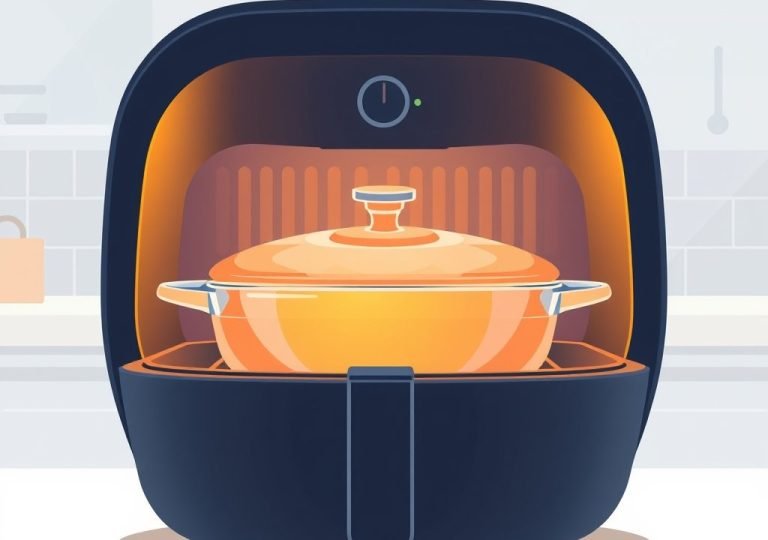
Air fryers function like small, high-powered convection ovens. They use a fan to circulate hot air around the food. Because silicone is a heat-resistant material, it is often suitable for this environment. However, not all silicone products are made the same. Some cheaper varieties contain fillers that might break down or release odors when heated to high temperatures. Always look for products labeled as heat-resistant or oven-safe. These accessories are popular because they are flexible and non-stick. They allow you to cook eggs, muffins, or small casseroles without food sticking to the air fryer basket. When used correctly, they offer a convenient way to expand what you can cook.
How Silicone Reacts to Air Fryer Heat
Silicone is a synthetic material known for its ability to withstand a wide range of temperatures. It stays flexible and does not become brittle like plastic when exposed to heat. This makes it a common choice for baking molds and liners.
Is Silicone Oven-Safe?
Most high-quality silicone cookware is labeled as oven-safe. Since air fryers operate using similar heating principles as ovens, these items are usually compatible. If a product is safe for a standard oven, it is typically safe for an air fryer. Check the packaging or the bottom of the silicone pan for a temperature rating. Most items are rated up to 450 degrees Fahrenheit. This is well within the operating range of most air fryers, which rarely exceed 400 degrees.
Temperature Limits
Even though silicone is heat-resistant, it has a melting point. If you exceed the recommended temperature, the silicone can degrade, lose its shape, or even melt. Always stay within the limits specified by the manufacturer. In practice, air fryers can get very hot near the heating element. Even if your setting is 350 degrees, the air near the top of the basket can be much hotter. Keep your silicone pan as far away from the top as possible.
Benefits of Using Silicone Molds and Liners
Using silicone in your air fryer provides several practical advantages. It simplifies your cooking routine and helps keep your equipment in good condition. Many users find it makes the transition from traditional oven baking to air frying much smoother.
Easier Cleanup and Maintenance
Air fryer baskets often have non-stick coatings that can scratch over time. Scrubbing these baskets can remove the coating and make food stick more. Silicone liners act as a barrier that prevents grease and crumbs from reaching the basket. After cooking, you can simply lift the silicone liner out and wash it in the sink or the dishwasher. This preserves the life of your air fryer basket significantly. It also saves you the effort of soaking and scrubbing the entire basket after every use.
Versatility for Baking and Cooking
Silicone molds allow you to bake items that would otherwise fall through the grate of an air fryer. You can make egg bites, small cakes, or even individual meatloaves. The flexibility of the material makes it easy to pop out finished food without breaking it. Because silicone is soft, it fits into various basket shapes easily. You are not limited to rigid metal pans that might not leave room for air to pass around them. This flexibility allows for more creative cooking options in a compact space.
Essential Safety Tips for Air Frying with Silicone
Safety is the most important factor when using any accessory in an air fryer. Because air fryers move air at high speeds, loose items can sometimes be displaced. You must ensure your silicone pan is stable and secure during the cooking process.
Preventing Contact with Heating Elements
The heating element is the most dangerous part of the air fryer for silicone. If a light silicone liner blows upward due to the fan, it can touch the element and melt instantly. This can create smoke or even a fire hazard. Always weigh down your silicone liners with food. If you are baking something light like a single cupcake, the liner might move. Ensure the weight of the ingredients is sufficient to keep the silicone pressed firmly against the bottom of the basket.
Proper Airflow and Circulation
Air fryers rely on the circulation of hot air to cook food evenly. If you use a silicone pan that is too large, it may block the air vents on the sides or bottom of the basket. This results in uneven cooking and can cause the appliance to overheat. Select a silicone pan that is smaller than the diameter of your basket. Leave a small gap around the edges to allow air to flow freely. If the air cannot move, your food will not get crispy, and the cooking time will be inaccurate.
Checking Your Manufacturer Guidelines
Every air fryer brand has unique design features. Some manufacturers explicitly state that only official accessories should be used. Others are more flexible regarding third-party silicone products. Read your user manual before you start. If the manual warns against using paper or plastic, it might also advise against silicone. Following these instructions protects your warranty. If you are unsure, contact the manufacturer or check their official website for guidance on compatible accessories.
What to Avoid When Using Silicone Accessories
While silicone is durable, it is not invincible. Avoiding certain habits will ensure your cookware lasts and your air fryer remains safe to use. Simple precautions go a long way in the kitchen.
Using Silicone Near Open Flames
Silicone should never be placed near an open flame or directly on a stovetop burner. While it is oven-safe, it is not designed for direct heat contact. The same rule applies if your air fryer has any exposed heating components that aren’t shielded. If you notice your silicone pan starting to discolor or smell like plastic, remove it from the heat immediately. This is a sign that it is too close to the heat source or the temperature is too high. Discard any silicone that shows signs of melting.
Overfilling Your Silicone Pan
It is tempting to fill a silicone mold to the brim to maximize output. However, this can lead to spills that drip into the air fryer basket. Hot grease or batter can be difficult to clean and might cause smoking during the cooking cycle. Fill your silicone pans only about two-thirds full. This leaves room for the food to rise and prevents messy overflows. Consistent filling also ensures that the food inside the mold cooks at the same rate as the rest of the batch.
Frequently Asked Questions
Can I put a silicone cupcake liner in the air fryer?
Yes, you can use silicone cupcake liners in an air fryer. Ensure they are heat-resistant and have enough weight from the batter to keep them from blowing around. Do not let them touch the top heating element.
Do silicone pans increase cooking time?
Silicone is less conductive than metal, so it might add a few minutes to your cooking time. You may need to increase the time slightly or check your food a bit earlier than you would with a metal pan. Watch your food closely until you learn how your specific silicone pan performs.
How do I know if my silicone pan is food-grade?
Look for labels that say food-grade, FDA-approved, or LFGB-certified. These certifications indicate the silicone has been tested for safety and does not contain harmful fillers. Avoid products that have a strong chemical smell when they arrive.
Will silicone melt if it touches the top of the air fryer?
Yes, silicone can melt if it comes into direct contact with the heating element. Most air fryers have a powerful fan that can lift light silicone liners if they are not weighted down. Always ensure the liner is secure before you start the machine.
Is it safe to use silicone in an air fryer with a convection fan?
Yes, because air fryers are convection ovens by design, they are meant to have fans. The airflow is what makes them cook effectively. As long as your silicone pan is placed securely in the basket and does not block the airflow, it is safe to use.
Summary of Using Silicone in Your Air Fryer
Using a silicone pan in an air fryer is a great way to improve your cooking experience. It helps with cleanup, prevents sticking, and allows for more recipe variety. As long as you choose high-quality, food-grade silicone and follow safety rules, it is a safe practice. Remember to keep the silicone away from the heating element and ensure it does not block the air vents. Check your air fryer manual for specific advice and always keep an eye on your food while it cooks. With these simple habits, you can enjoy the convenience of silicone in your kitchen safely.

Mary is a home cooking enthusiast and kitchen appliance reviewer who loves helping people find the best tools for everyday meals. She enjoys testing air fryers, deep fryers, and other cooking appliances while sharing honest reviews and practical buying advice. Through FryerPick.com, Mary provides expert guides, product comparisons, and cooking tips to help readers choose the right fryer for their kitchen.