
How To Cook A Frozen Chimichanga In An Air Fryer
Learning how to cook a frozen chimichanga in an air fryer is easier than many people expect. The process takes only a few steps, and the result is a crispy outside with a hot, filling center. This guide walks through the basics, the equipment you need, and a simple method you can follow the first time.
You will also learn how air fryers compare with ovens and microwaves, which mistakes beginners often make, and how to tell when your chimichanga is fully heated. Along the way, the article answers common questions in plain language. Each section builds on the last, so you can read straight through or jump to the part you need.
Key Takeaways
- A frozen chimichanga can go straight into the air fryer without thawing, which saves time.
- Preheating the air fryer and leaving space between pieces helps the outside turn crisp.
- Check the package instructions first, since cooking times vary by brand and size.
- Flip the chimichanga partway through and check that the center is hot before serving.
- Let it rest for a few minutes after cooking so the filling does not burn your mouth.
What Is a Frozen Chimichanga and Why Use an Air Fryer?
A chimichanga is a wrapped tortilla filled with ingredients such as meat, beans, cheese, or vegetables. The wrap is usually fried or baked until golden. Frozen versions are sold ready to cook at home, so the filling and wrapper are already assembled.
An air fryer is a countertop appliance that circulates hot air around food. It works like a small convection oven, but it heats up quickly and fits in a small space. For many frozen snacks, it gives a crisp finish that a microwave cannot match.
What Makes a Chimichanga a Frozen Food
Frozen chimichangas are prepared in advance and then frozen solid. The freezing step keeps the filling safe and fresh until you are ready to eat. Because they are already cooked or partly cooked, they mainly need heating through.
Packaging often lists the cooking method, such as oven, microwave, or air fryer. Following those directions gives you the most reliable result. Brands differ in size and filling, so the instructions matter.
Why Air Frying Works Well for Frozen Chimichangas
The moving hot air in an air fryer dries out the outer tortilla. This is what creates a crisp texture. A microwave heats mainly the water in food, so the wrapper often stays soft.
The air fryer also heats the center through the wrap. It usually takes less time than a conventional oven. In short, it gives a good balance of crunch and warmth for a frozen snack.
Before You Start: Equipment and Ingredients
Preparation is simple. You need only a few items, and you do not need to thaw the chimichanga. Having everything ready makes the cooking step smoother.
What You Need in Your Kitchen
You will need an air fryer with a basket or tray, a pair of tongs or a spatula, and a food thermometer if you have one. Kitchen tongs help you flip the chimichanga without tearing the wrapper. A thermometer is useful for checking the center.
Some cooks add a light coating of cooking spray or oil. This is optional and depends on your taste. Parchment liners made for air fryers can also help with cleanup, but make sure they are rated for use in the appliance.
Checking the Package Instructions
Before cooking, read the label on the package. Look for air fryer directions, the recommended temperature, and the cooking time range. Many packages list a range because appliances vary in power.
If the package has no air fryer directions, a general oven or conversion guide can help. Start at the lower end of the time range. You can always add a few minutes. Even so, it is safer to follow the maker’s guidance whenever it is available.
Step-by-Step: How to Air F ry a Frozen Chimichanga
Preheating the Air Fryer
Preheating helps the outside start crisping right away. Set the air fryer to the temperature listed on the package. If no temperature is given, a moderate setting is a reasonable starting point. Let the appliance run for a few minutes before adding food.
Some models do not have a preheat function. In that case, run the empty basket for two to three minutes. This is a simple habit that makes a noticeable difference.
Arranging the Chimichangas in the Basket
Place the frozen chimichanga in a single layer. Leave a little space around each piece so hot air can reach all sides. Avoid stacking or pressing them together.
Space matters more than many beginners expect. Crowded pieces steam each other instead of crisping. Cooking in batches is often the better choice.
Setting the Temperature and Cooking Time
Set the temperature and timer based on the package directions. Begin with the shorter end of the suggested range. Check the chimichanga once the timer reaches that point.
Remember that every air fryer heats a little differently. Your appliance may finish faster or slower than the label suggests. Keep notes after each use so you learn your model’s habits.
Flipping and Checking for Doneness
Flip the chimichanga about halfway through the cooking time. Use tongs to turn it gently. This helps the bottom turn golden and even.
Check the color and texture after flipping. The wrapper should look golden and feel firm. If the outside browns too fast, lower the temperature slightly and continue cooking.
Resting and Serving Safely
Remove the chimichanga from the basket and let it rest for a few minutes. The filling is very hot and holds heat for a while. Resting lets it cool slightly so it does not burn your mouth.
Cut into the center to check the temperature if you are unsure. The filling should be steaming hot throughout. Serve with salsa, sour cream, or other toppings as you like.
Tips for Crispy Results Every Time
A few small habits can improve the texture. None of them are difficult, and they work well together. Try them one at a time to see what suits your taste.
Spraying With Oil for Extra Crunch
A light spray of cooking oil can help the tortilla brown and crisp. Use a thin, even layer rather than a heavy coat. Too much oil can make the surface greasy.
Frozen chimichangas often have some oil already, so you may not need any extra. Check the package to see if oil is recommended.
Avoiding Soggy Centers
A soggy wrapper often comes from overcrowding or from cooking too little time. Give each piece space and make sure the center reaches a hot temperature. Because of this, checking the middle matters more than the color alone.
Frost or ice crystals can also add moisture. Cook directly from frozen rather than thawing, since thawing lets the wrapper absorb water before it cooks.
Cooking Multiple Chimichangas at Once
Cooking in batches usually gives better results than cramming everything into one round. Keep the first batch warm in a low oven while the rest cook. This helps the whole group stay crisp.
Plan on a little extra time for each batch. Preheat again if the appliance has cooled between rounds.
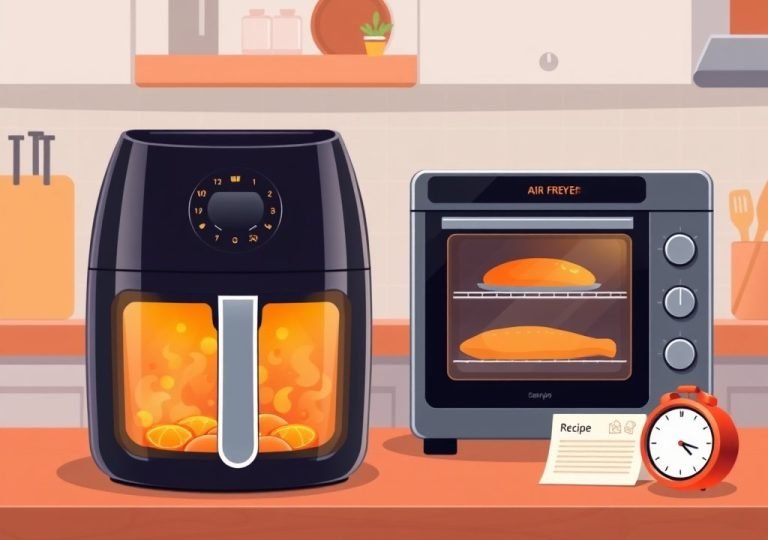
Air Fryer Versus Oven and Microwave
Each appliance has strengths. The best choice depends on how crisp you want the result and how much time you have. Comparing them helps you decide.
Texture and Crispness Compared
The air fryer usually produces the crispest outside. The oven can also crisp the wrapper, though it often needs more time. The microwave heats quickly but tends to leave the wrapper soft and chewy.
For many people, the air fryer offers the best balance. It is also a good choice when you want the outside to feel closer to fried food.
Speed and Energy Use Compared
The microwave is the fastest option, followed closely by the air fryer. A conventional oven need or more time to preheat and cook, so it is usually the slowest of the three. Air fryers are smaller and heat a compact space, which often means less energy used for a single snack or small batch.
Exact savings depend on the appliance and the food, so treat this as a general pattern rather than a fixed number.
When Each Method Makes Sense
Choose the air fryer when you want a crisp wrapper and a warm center without a long wait. It works well for one to three pieces at a time.
The oven suits larger batches, while the microwave is handy when speed matters more than texture.
In practice, many people use more than one method. They might start in the microwave for a quick warm-up, then finish in the air fryer for crunch. Still, the air fryer alone is usually enough for a frozen chimichanga.
Common Mistakes Beginners Make
Most problems come from a few predictable habits. Knowing them ahead of time can save you a disappointing meal. The good news is that each one is easy to avoid.
Cooking From Frozen Versus Thawing First
Many beginners thaw the chimichanga first, thinking it will cook more evenly. Thawing often leaves the wrapper damp and soft. Cooking directly from frozen usually gives a crisper result and saves time.
The exception is when the package specifically says to thaw before air frying. Always follow that instruction if it appears.
Overcrowding the Basket
Packing the basket tightly is one of the most common errors. The hot air cannot circulate, so the pieces steam instead of crisping. Some may stay pale while others brown too much.
Leave gaps between pieces, and cook in batches if needed. This small change often makes the biggest difference in texture.
Trusting Time Alone Instead of Checking the Middle
Timers are a helpful guide, but they do not show the temperature of the filling. A chimichanga can look golden outside while the center is still cool. This is a risk with thick or dense fillings.
Check the middle with a food thermometer or a small cut before serving. The filling should be hot all the way through. If it is not, return it to the air fryer for a few more minutes.
Frequently Asked Questions
Can You Cook a Frozen Chimichanga in an Air Fryer Without Thawing It?
Yes, most frozen chimichangas can be cooked straight from the freezer. Cooking from frozen usually gives a crisper wrapper and saves time. Always check the package, since a few products may ask you to thaw first.
What Temperature Should I Use for a Frozen Chimichanga in an Air Fryer?
Use the temperature listed on the package whenever it is available. If no temperature is given, a moderate setting is a common starting point. Adjust slightly if the outside browns too quickly or stays pale.
How Long Does It Take to Air Fry a Frozen Chimichanga?
Cooking time depends on the brand, size, and your appliance. Most packages list a range, so start at the shorter end. Flip the chimichanga partway through and check the center before serving.
Do I Need to Use Oil When Air Frying a Frozen Chimichanga?
Oil is optional. Many frozen chimichangas already have some fat in the wrapper, so extra oil may not be needed. A light spray can help with browning if you want a deeper color.
How Do I Know a Frozen Chimichanga Is Fully Heated Through?
The wrapper should look golden and feel firm. The safest check is the center, which should be steaming hot throughout. A food thermometer makes this easy, or you can cut a small section to look inside.
Conclusion: Crispy Chimichangas With Less Guesswork
Cooking a frozen chimichanga in an air fryer is a simple process once you know the basics. Preheat the appliance, give the pieces room, and follow the package directions. Flip partway through and check that the filling is hot before you eat.
With a few small habits, you can get a crisp outside and a warm center every time. Learn your own appliance over a few uses, and adjust as needed. In short, a little att ention to timing and spacing goes a long way. Even so, always check the center rather than relying on color alone.

Mary is a home cooking enthusiast and kitchen appliance reviewer who loves helping people find the best tools for everyday meals. She enjoys testing air fryers, deep fryers, and other cooking appliances while sharing honest reviews and practical buying advice. Through FryerPick.com, Mary provides expert guides, product comparisons, and cooking tips to help readers choose the right fryer for their kitchen.

One Comment