
How To Cook A Full Meal In An Air Fryer
Cooking a full meal in an air fryer is easier than many beginners expect. With a little planning, you can make a main dish, a vegetable and a side all in one appliance. This guide explains how to plan, cook and finish a complete meal step by step.
You will also learn how an air fryer works, how it compares to an oven, and which common mistakes to avoid. Simple meal examples and a few timing guidelines are included too. By the end, you will know how to approach your first full air fryer dinner with confidence.
Key Takeaways
- An air fryer cooks food with fast-moving hot air, which gives a crisp outside and a tender inside.
- Plan your meal around one protein, one or two vegetables and one starch so cooking stays simple.
- Start with the food that takes longest, then add quicker items and reheat sides as needed.
- Avoid overcrowding the basket, and check doneness with a food thermometer when cooking meat.
- Cook in batches when needed, and keep the first batch warm while the rest finishes.
What Is an Air Fryer and How Does It Cook?
An air fryer is a small countertop appliance. It has a heating element and a fan inside a compact chamber. The fan moves hot air around the food very quickly. This method cooks food in a way that is similar to a small convection oven.
Because the air moves so fast, the surface of the food dries out and browns. This is why air-fried food often tastes crisp. The inside stays moist when the cooking time and temperature are right.
How Hot Air Circulation Creates Crispy Food
Hot air carries heat to every side of the food. The moving air also removes moisture from the surface. As the surface dries, it turns golden and crunchy. This process is often called browning or crisping.
Shaking or flipping food halfway through helps every side get exposed to the air. Even so, a small amount of oil or spray can help browning along. The oil also adds flavor and helps seasonings stick.
Air Fryer vs. Oven: What Is the Difference?
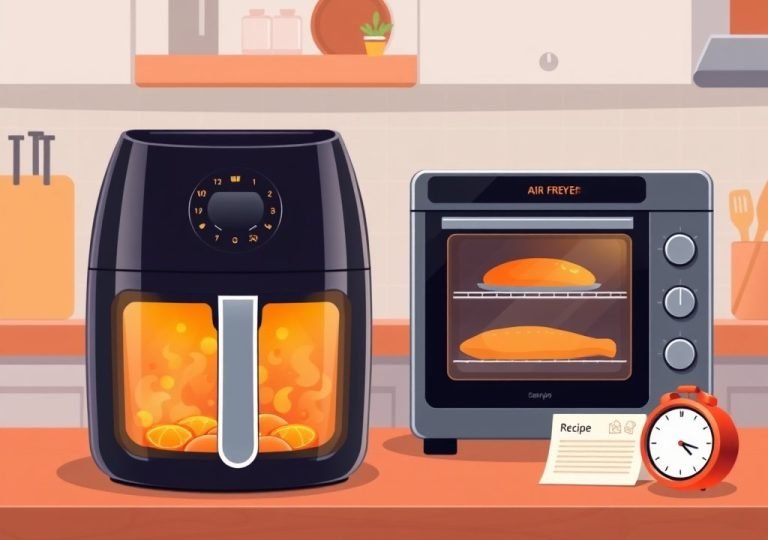
An air fryer is smaller than a full oven. It heats up faster and uses a smaller space. Most people find that food cooks a bit faster in an air fryer than in a standard oven.
A regular oven has more room for large trays and multiple racks. An air fryer has a basket or tray that holds a smaller amount. On the other hand, the air fryer often needs less energy to run for a short meal. The right choice depends on how much food you need to cook.
Getting Started: Air Fryer Basics for Beginners
Before you cook a full meal, it helps to know the basic parts of your appliance. Each part has a clear job. Learning these simple details makes the first few meals much smoother.
Parts of an Air Fryer and What Each Does
Most air fryers have a main body, a cooking basket or drawer, and a heating element at the top. The control panel lets you set the temperature and time. Some models also have a preset menu for common foods.
The basket holds the food and slides out for shaking or checking. A small fan sits in the top area and pushes the hot air down. Always read the manual for your model, because controls and layouts differ from one brand to another.
Essential Tools and Accessories to Have on Hand
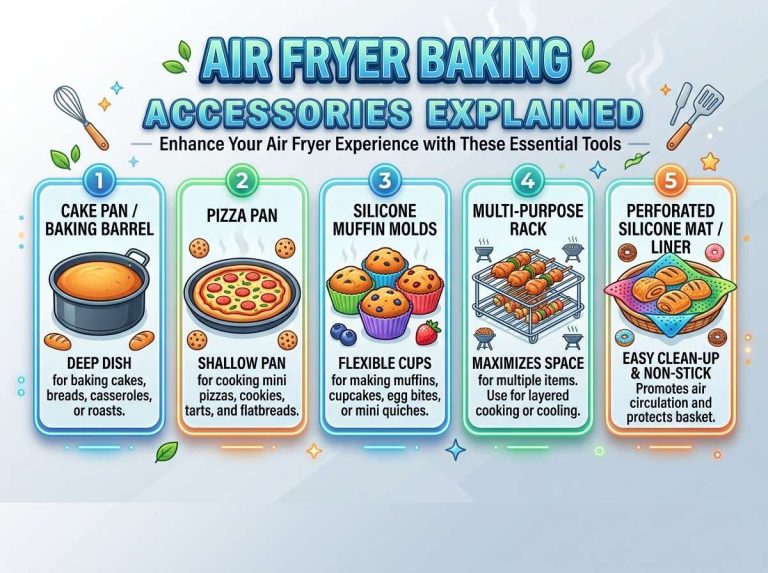
A few basic tools make air frying easier. Tongs help you move food without tearing it. A silicone brush is useful for adding oil or sauce. A food thermometer is helpful for checking that meat has cooked through.
Some people also use parchment liners made for air fryers. These liners must have holes so air can still move. Never use loose paper that could blow into the heating element. Also, choose baking pans or silicone molds only if they are labeled as safe for your model.
Safe Setup, Cleaning and Care Basics
Place the air fryer on a flat, he resistant surface with open space on all sides. Keep it away from walls, curtains and paper towels, because the vent releases hot air. Plug it into a wall outlet only, and never leave it running unattended. Cleaning is simple but important.
Let the basket cool before you remove it. Wash it with warm, soapy water and a soft sponge. Wipe the inside of the chamber with a damp cloth, and never submerge the main unit in water.
How to Plan a Full Meal in an Air Fryer
Planning is the step that makes the rest of the process easy. A good plan tells you what to cook, in what order, and how many batches you will need. Taking a few minutes to map this out prevents rushed cooking later.
Building a Balanced Menu: Protein, Vegetables and Starch
A simple full meal has three parts. These are a protein, one or two vegetables, and a starch such as potatoes or bread. This structure keeps the menu balanced without making the cooking too complicated.
For example, chicken thighs, broccoli and baby potatoes form a complete dinner. Each item uses a similar temperature range, which makes timing easier. Because of this, you can cook most of the meal in one session.
Working Out Cooking Order and Timing
Start with the food that takes the longest. Dense items like potatoes and thick cuts of meat usually need more time. Add quicker foods like green beans or thin vegetable slices later in the process.
Write down the estimated time for each item before you begin. Then work backward from your serving time. In practice, this simple list helps you avoid a cold dinner or an overcooked side.
Cooking in Batches When One Basket Is Not Enough
Many air fryers have a basket that holds only a modest amount of food. A full family meal may need two or more rounds of cooking. This is normal, and it does not mean you are doing anything wrong.
Keep the first batch warm in a low oven or covered dish while the rest cooks. Alternatively, cook the sides first and let them rest. Still, avoid leaving food out too long, because it can lose texture and moisture.
Step-by-Step: Cooking a Full Meal in an Air Fryer
The following steps show one clear way to cook a complete meal. You can adjust them for your own recipes and appliance. Always check the manual for your model before starting.
Step 1: Preheat and Prepare Your Ingredients
Preheat the air fryer for a few minutes at the temperature your recipe suggests. While it heats, wash and dry your vegetables and pat meat dry with a paper towel. Dry surfaces brown better than wet ones.
Cut vegetables and potatoes into even pieces so they cook at the same rate. Season the food with salt, pepper and your favorite spices. Toss with a little oil if the recipe calls for it.
Step 2: Cook the Main Protein First
Place the protein in the basket in a single layer with space between pieces. Set the temperature and time, then start the machine. Halfway through, pause and flip or shake the food for even browning.
Check the internal temperature with a food thermometer when the time is nearly up. Chicken should reach a safe internal temperature, and the food should look fully cooked. Once done, move the protein to a plate and cover it loosely with foil to rest.
Step 3: Roast Vegetables and Side Dishes
Next, add the vegetables and starches to the basket. Potatoes often need more time than green vegetables, so place them in first if you are cooking them together. Shake or stir the food partway through.
Keep an eye on thin pieces, because they can dry out or burn quickly. Taste a piece to check for tenderness. Remove each item as it finishes, so nothing overcooks while waiting.
Step 4: Reheat Sides and Finish the Meal
If you cooked in batches, reheat the first items for a few minutes just before serving. A short stay in the air fryer brings back crispness. Arrange everything on plates or a platter.
Add final touches such as fresh herbs, a squeeze of lemon or a light sauce. These small steps make the meal feel complete. In short, a sprinkle of fresh herbs or a squeeze of lemon can make the whole plate feel finished. Serve the food while it is still warm for the best texture.
Air Fryer Meal Examples for Beginners
Seeing a full menu on paper can make planning feel easier. The examples below show simple combinations that follow the protein, vegetable and starch pattern. You can swap ingredients to suit your taste and what you have on hand.
A Simple Chicken, Vegetable and Potato Dinner
Season chicken thighs with salt, paprika and garlic powder. Cut baby potatoes in half and toss them with a little oil. Add broccoli florets to the mix near the end of cooking.
Cook the potatoes first, then the chicken, and add the broccoli last. Because the broccoli cooks quickly, it stays bright green and slightly crisp. This meal works well for a relaxed weeknight dinner.
A Fish and Asparagus Weeknight Meal
Choose a firm white fish fillet and pat it dry before seasoning. Trim the ends off fresh asparagus spears and drizzle them with oil. Add a little lemon zest and black pepper for fresh flavor.
Fish cooks quickly, so add it to the basket only after the asparagus has started. Check the fish early, because it can become dry if it cooks too long. Serve with a simple grain or bread on the side.
A Breakfast Meal With Eggs, Toast and Fruit
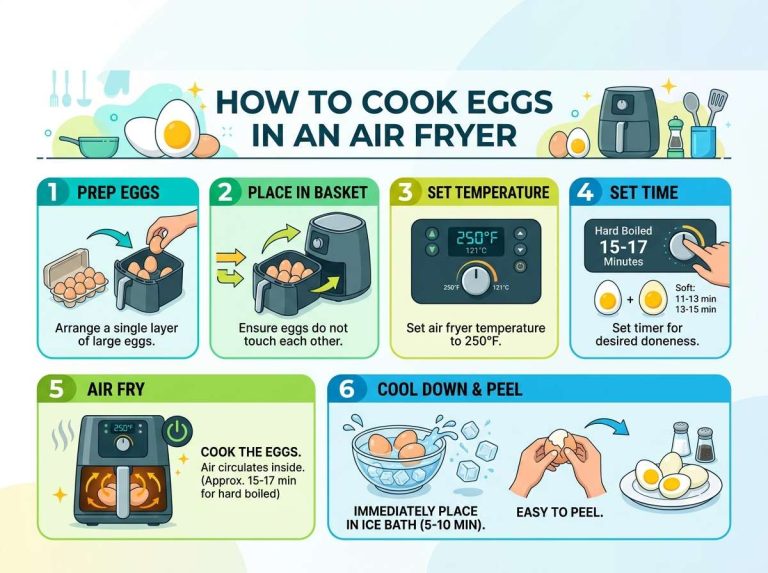
Air fryers can handle breakfast too. Crack eggs into small silicone cups or a lightly oiled dish and cook until set. Toast bread slices for a short time until they reach the crispness you like.
Cut fresh fruit such as berries or sliced melon and place it on the plate. Fruit does not need to go in the air fryer at all. This simple morning plate takes only a few minutes and feels complete.
A Vegetarian Meal With Tofu and Roasted Vegetables
Press firm tofu to remove extra water, then cut it into cubes. Toss the cubes with cornstarch, a little oil and soy sauce for a crisp coating. Add sliced peppers, zucchini and onion to the basket with them.
Shake the basket partway through so the tofu crisps on all sides. The vegetables soften while the tofu browns. Serve over rice or with warm flatbread for a satisfying dinner.
Common Mistakes and Tips for Better Results
Most early problems come from a few common habits. Knowing them in advance helps you avoid soggy, uneven or undercooked food. Small adjustments often make a big difference.
Overcrowding the Basket and Uneven Cooking
Packing the basket too full blocks the moving air. Food in the middle may stay pale and soft while the outer pieces brown. Leave space between items so the air can reach every surface.
If you have a large amount of food, cook it in batches. This takes a bit more time, but the results are much better. As a result, the food tastes crisper and cooks more evenly.
Shaking, Flipping and Checking for Doneness
Shaking or flipping food halfway through helps it brown on all sides. Use tongs or a spatula to turn larger pieces such as chicken. Be careful, because the basket and food can be very hot.
Check doneness before the timer ends. Cut into a thick piece to see if the center looks fully cooked. Look for clear juices in meat and a tender texture in vegetables.
Using a Food Thermometer for Safe Results
A food thermometer is the most reliable way to check meat. Insert the probe into the thickest part of the food, away from bone. Look up safe internal temperatures for each type of meat before you cook.
Color alone is not always a sure sign. Some meats can look brown on the outside but remain undercooked inside. Using a thermometer removes the guesswork and gives you peace of mind.
Air Fryer Temperature and Time Guidelines
Temperature and time settings vary with the food, the size of each piece and your specific appliance. The guidelines below are general guidelines to start from, not fixed rules. Always check your recipe and your model’s manual, then watch the food as it cooks.
Typical Temperature Ranges for Common Foods
Many air fryer recipes use temperatures between about 180°C and 200°C for everyday foods. Vegetables often do well at the higher end of that range. Denser foods like whole potatoes may need a moderate setting for longer.
Meat usually cooks at a steady middle temperature so the inside has time to reach a safe level. Thin pieces need less time than thick cuts. Fish and delicate vegetables generally need shorter cooking periods.
Adjusting Recipes From Oven to Air Fryer
Many recipes written for a conventional oven can be adapted for an air fryer. A common approach is to lower the temperature a little and check the food earlier. Because the air moves quickly, food often cooks faster than expected.
Start with a shorter time than the oven recipe suggests. Check the food, then add a few minutes if needed. In practice, keeping a simple note of what worked helps you build your own reliable settings over time.
Air Fryer Cooking Compared to Other Methods
It helps to see how the air fryer stacks up against other ways of cooking. Each method has strengths. The best choice depends on the meal, the amount of food and how much time you have.
Air Fryer vs. Conventional Oven for Full Meals
A conventional oven handles large amounts of food well. You can roast a whole tray of vegetables and a big piece of meat at once. The oven takes longer to heat up, though, and it uses more energy for small meals.
An air fryer is quicker for small to medium meals. It is ideal for cooking for one or two people. For a big family dinner, you may still want to use the oven alongside it.
Air Fryer vs. Stovetop and Pan Frying
Stovetop cooking gives you direct control over heat and lets you stir food easily. It works well for sauces, sautéed greens and foods that need constant attention. Pan frying often uses more oil than an air fryer.
The air fryer needs far less oil and very little hands-on stirring. It also keeps the kitchen cooler than a pan on a hot burner. On the other hand, it cannot replace every stovetop task, so both methods have a place.
Frequently Asked Questions
Can You Cook a Full Meal in an Air Fryer Without Preheating?
Some recipes work without preheating, but many do better with it. Preheating helps the food start browning right away. Check your recipe, since some foods tolerate a cold start better than others.
What Foods Should You Not Cook in an Air Fryer?
Very wet batters and loose, runny mixtures can drip and make a mess. Foods that need a deep liquid, such as soups and stews, are not a good fit. Delicate items like thin fish can also fall apart if they are not handled carefully.
Do You Need Oil When Cooking in an Air Fryer?
Oil is not always required, but a small amount often improves browning and flavor. Many foods that are naturally fatty, such as some sausages, need little or none. A light spray or brush of oil is usually enough.
Is It Safe to Cook Meat Fully in an Air Fryer?
Yes, meat can be cooked fully in an air fryer when it reaches a safe internal temperature. A food thermometer is the best way to confirm this. Always follow safe handling practices for raw meat, including washing your hands and cleaning surfaces.
How Big an Air Fryer Do You Need to Cook a Family Meal?
Basket size varies between models, so check the capacity listed for your appliance. Larger families may find that a bigger basket saves time. If your basket is smaller, cooking in batches still works well.
Conclusion: Cooking a Full Meal in an Air Fryer Made Simple
Cooking a full meal in an air fryer is practical once you understand the basics. Plan a balanced menu, choose a sensible cooking order and avoid overcrowding the basket. Check do your food with a thermometer when cooking meat, and keep the first batch warm while the rest finishes.
With a few simple habits, you can build confidence one meal at a time. Start with an easy menu, take notes on what works, and adjust as you learn your own appliance. Over time, a full air fryer dinner will feel like an everyday routine rather than a challenge.

Mary is a home cooking enthusiast and kitchen appliance reviewer who loves helping people find the best tools for everyday meals. She enjoys testing air fryers, deep fryers, and other cooking appliances while sharing honest reviews and practical buying advice. Through FryerPick.com, Mary provides expert guides, product comparisons, and cooking tips to help readers choose the right fryer for their kitchen.

One Comment