How to Roast Veggies in an Air Fryer?
Want crispy, golden vegetables without heating the whole oven? Your air fryer can do that in about 10 to 15 minutes.
Roasting veggies in an air fryer is one of the easiest kitchen wins out there. You toss them with a little oil, add some seasoning, and let the hot, fast-moving air do the work. The edges turn crisp and the insides stay soft and sweet.
This guide walks you through every step, from prep to plate. You’ll learn the right temperatures, the best cook times, and the small tricks that stop soggy veggies. Even if you’ve never touched an air fryer, you’ll feel ready by the end.
In this article
Why Roast Veggies in an Air Fryer?
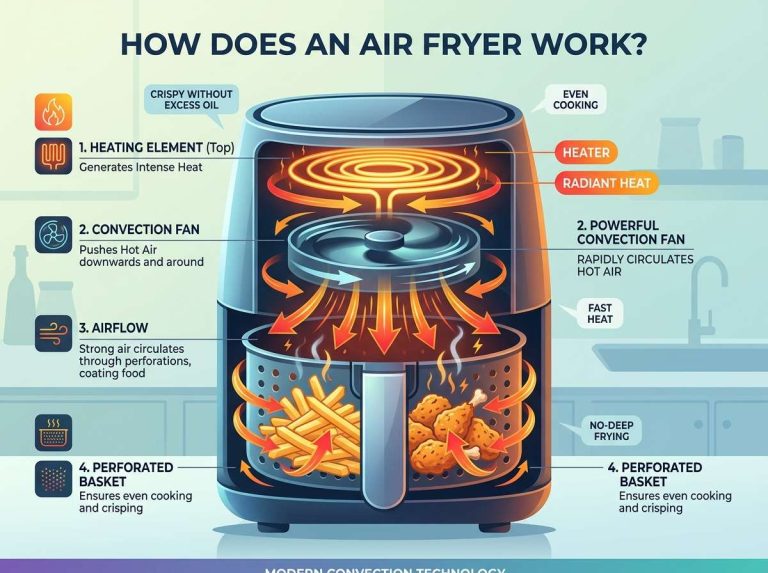
An air fryer is a small countertop convection oven. A fan blows very hot air around the food, and that air crisps the outside fast. You get oven-roasted flavor in a fraction of the time.
Here’s why so many home cooks love this method:
- It’s fast. Most veggies finish in 8 to 20 minutes.
- It uses little oil. One or two teaspoons is often enough for a whole batch.
- It heats up quickly. You can skip the long oven preheat.
- It keeps your kitchen cool. That’s a big plus on hot days.
- It makes veggies taste better. Crispy edges can turn even picky eaters into fans.
If you’ve been boiling or steaming vegetables and getting mushy results, this method will feel like a big upgrade.
What You Need Before You Start
You don’t need fancy gear. Grab these basics:
- An air fryer (basket style or oven style both work)
- A sharp knife and a cutting board
- A large mixing bowl
- A little cooking oil
- Salt, pepper, and your favorite seasonings
- Tongs or a spatula
- Paper towels or a clean kitchen towel
Some extras are nice to have, such as parchment liners made for air fryers, a small oil sprayer, and a meat thermometer-style timer. None of them are required.
The Best Oils for Air Fryer Vegetables
Oil helps veggies brown and keeps seasoning stuck to the surface. You only need a small amount.
Pick an oil that handles high heat well. Good options include:
- Avocado oil: very high smoke point and a mild taste
- Olive oil: works well at normal air fryer temperatures and adds flavor
- Canola or vegetable oil: cheap and neutral
- Grapeseed oil: light and clean tasting
A good rule is about 1 teaspoon of oil per cup of chopped veggies. Hard veggies like potatoes and carrots can take a bit more. Soft veggies like zucchini need less.
Skip any aerosol cooking spray that has additives. Some of them can damage the nonstick coating on your basket over time.
Step-by-Step: How to Roast Veggies in an Air Fryer
Follow these simple steps and you’ll get good results every time.
Step 1: Wash and Dry Your Veggies
Rinse your vegetables under cool water. Then dry them well.
This step matters more than most people think. Wet veggies make steam, and steam makes soft, soggy food. Pat everything dry with a towel before you move on.
Step 2: Cut Pieces the Same Size
Uniform pieces cook at the same speed. If one piece is tiny and another is huge, the small one burns while the big one stays raw in the middle.
Aim for bite-size pieces, about 1 inch wide. Here are some easy cutting ideas:
- Broccoli and cauliflower: small florets
- Carrots: thin sticks or coins
- Potatoes: 1-inch cubes or wedges
- Zucchini: half-moons
- Brussels sprouts: cut in half
Step 3: Toss With Oil and Seasoning
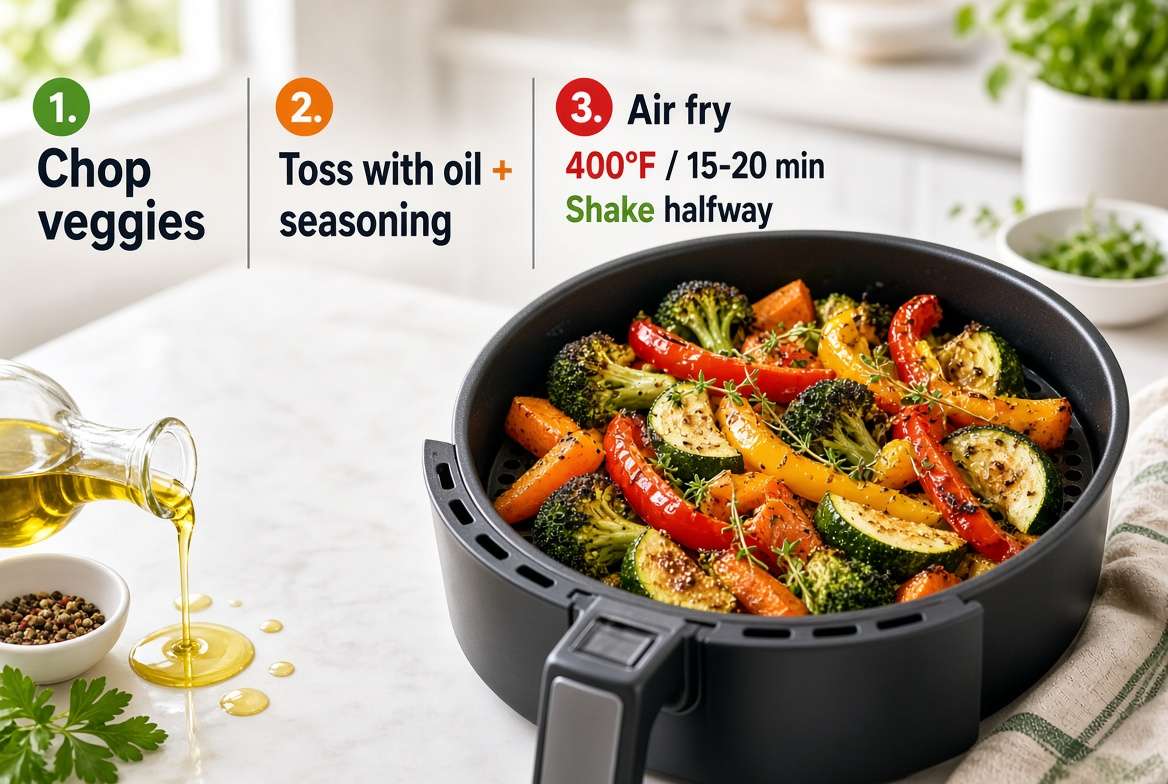
Put your cut veggies in a big bowl. Add a small splash of oil and your seasonings. Toss with your hands or a spoon until everything has a light, even coat.
Mixing in a bowl works much better than drizzling oil over the basket. You get full coverage with less oil.
Step 4: Preheat the Air Fryer (If You Can)
Many air fryers have a preheat button. If yours does, use it for 3 to 5 minutes. If not, just run it at your target heat for a few minutes with the basket empty.
A hot start gives you better browning from the first second. It also helps the oil sizzle instead of soak in.
Step 5: Add Veggies in a Single Layer
Spread your veggies in the basket so they sit in one layer. Don’t pile them up.
Crowding is the number one reason for soft veggies. Hot air needs room to move around each piece. If your batch is big, cook it in two rounds.
Step 6: Cook and Shake
Set the temperature and timer based on the chart below. Halfway through, pull out the basket and shake it well. If your veggies are large, flip them with tongs.
Shaking helps every side brown evenly. It also stops pieces from sticking together.
Step 7: Check and Season Again
When the timer ends, check the veggies. They should look golden on the edges and feel tender when you poke them with a fork.
If they need more time, add 2 to 3 minutes and check again. Once they’re done, taste one. Add a pinch of salt, a squeeze of lemon, or fresh herbs to finish.
Air Fryer Vegetable Cooking Times and Temperatures
Every air fryer runs a little different. Treat these numbers as a starting point, then adjust to fit your machine.
| Vegetable | How to Cut | Temperature | Time |
|---|---|---|---|
| Broccoli | Small florets | 390°F | 8–10 min |
| Cauliflower | Small florets | 400°F | 12–15 min |
| Brussels sprouts | Halved | 380°F | 12–15 min |
| Carrots | Sticks or coins | 380°F | 12–15 min |
| Potatoes | 1-inch cubes | 400°F | 15–20 min |
| Sweet potatoes | 1-inch cubes | 400°F | 15–18 min |
| Zucchini | Half-moons | 400°F | 8–10 min |
| Bell peppers | Strips | 380°F | 8–10 min |
| Asparagus | Whole spears | 400°F | 6–8 min |
| Green beans | Whole, trimmed | 400°F | 8–10 min |
| Mushrooms | Halved or sliced | 380°F | 8–10 min |
| Red onion | Wedges | 380°F | 10–12 min |
| Butternut squash | 1-inch cubes | 400°F | 15–18 min |
| Cherry tomatoes | Whole | 380°F | 6–8 min |
| Corn on the cob | Whole or halved | 400°F | 10–12 min |
| Beets | 1-inch cubes | 400°F | 20–25 min |
Remember to shake the basket at the halfway mark for every item on this list.
Easy Tips for Each Veggie
Different veggies act in different ways. Here are quick tips for the most popular picks.
Broccoli
Broccoli florets get crispy, nutty tips that taste a lot like chips. Keep the pieces small and dry them well. Add a little garlic powder and a squeeze of lemon right after cooking.
Cauliflower
Cauliflower turns sweet and golden in the air fryer. It loves bold spices like smoked paprika, cumin, or curry powder. Don’t skip the shake, since the flat sides brown the most.
Brussels Sprouts
Many people say they hate Brussels sprouts until they try them roasted. Cut them in half and place them cut side down for the first few minutes. The outer leaves get crunchy, and the centers turn soft and mild.
Carrots
Carrots get a natural sweetness when roasted. Slice them thin so they cook through. A drizzle of honey and a pinch of cinnamon at the end makes them taste like a treat.
Potatoes and Sweet Potatoes
Potatoes need a bit more oil and a bit more time. For extra crunch, soak the cubes in cool water for 20 minutes, then dry them fully. This pulls out extra starch and helps them crisp up.
Sweet potatoes cook a little faster and brown quickly because of their natural sugar. Keep an eye on them near the end.
Zucchini and Squash
These veggies hold lots of water. Slice them thick, not thin, so they don’t turn to mush. Cook them at a high temperature for a short time, and they’ll stay tender with browned edges.
Asparagus and Green Beans
These cook very fast. Toss them with oil, salt, and pepper, and they’re ready in under 10 minutes. Take them out as soon as they look bright green with a few brown spots.
Mushrooms
Mushrooms soak up oil like a sponge, so go light. Toss them with a little soy sauce or garlic for a rich, meaty flavor. They shrink as they cook, so make more than you think you need.
Bell Peppers and Onions
Peppers and onions get sweet and soft in the air fryer. They’re perfect for fajitas, sandwiches, and pasta. Cut them in thick strips so they don’t dry out.
Seasoning Ideas to Keep Things Fun
Plain salt and pepper taste great, but a few simple seasoning blends can take your veggies to the next level. Mix these in the bowl before cooking.
- Garlic and herb: garlic powder, dried oregano, dried thyme, salt
- Smoky and spicy: smoked paprika, chili powder, cumin, a pinch of cayenne
- Italian style: Italian seasoning, garlic powder, grated parmesan (add in the last 2 minutes)
- Lemon pepper: lemon zest, black pepper, salt
- Sweet and savory: a little maple syrup, salt, and black pepper
- Asian inspired: soy sauce, sesame oil, ginger, and sesame seeds
- Ranch style: dry ranch seasoning mix and a bit of olive oil
Keep sugary glazes and cheese for the last few minutes of cooking. They burn fast at high heat.
Fresh Finishing Touches
A small finish after cooking adds a lot of flavor. Try one of these:
- A squeeze of fresh lemon or lime juice
- A splash of balsamic vinegar
- Fresh chopped parsley, basil, or cilantro
- A sprinkle of flaky salt
- A spoonful of plain yogurt sauce or hummus on the side
- Toasted nuts or seeds for crunch
How to Get Extra Crispy Veggies
Crispy veggies are the goal for most people. These tips help you get there.
Dry them well. Water is the enemy of crispy food. Dry every piece before it hits the oil.
Use enough heat. Most veggies roast best between 380°F and 400°F. A low temperature makes them soft instead of crisp.
Give them space. Leave gaps between pieces so air flows around each one.
Don’t overload the basket. Cook in batches if you have to. Two small batches beat one crowded batch every time.
Shake or flip halfway. This browns every side.
Add a pinch of cornstarch. For extra crunch on potatoes or cauliflower, toss them with about half a teaspoon of cornstarch along with the oil.
Serve right away. Air fryer veggies are crispiest when they’re hot. They soften as they sit.
Common Mistakes to Avoid
Even simple recipes have a few traps. Watch out for these.
Using Too Much Oil
Extra oil doesn’t make veggies crispier. It just makes them greasy and can cause smoke. Stick with a small amount.
Skipping the Dry Step
Wet veggies steam in the basket. If your food comes out soft, this is often the cause.
Cutting Pieces Too Small
Tiny pieces can burn before they cook. Keep them about 1 inch wide, or a bit larger for soft veggies.
Mixing Veggies With Different Cook Times
Potatoes and asparagus don’t finish at the same time. If you want to cook them together, start the slow veggies first. Then add the fast ones partway through.
For example, put the carrots in for 6 minutes, then add the broccoli for the last 8 minutes.
Forgetting to Clean the Basket
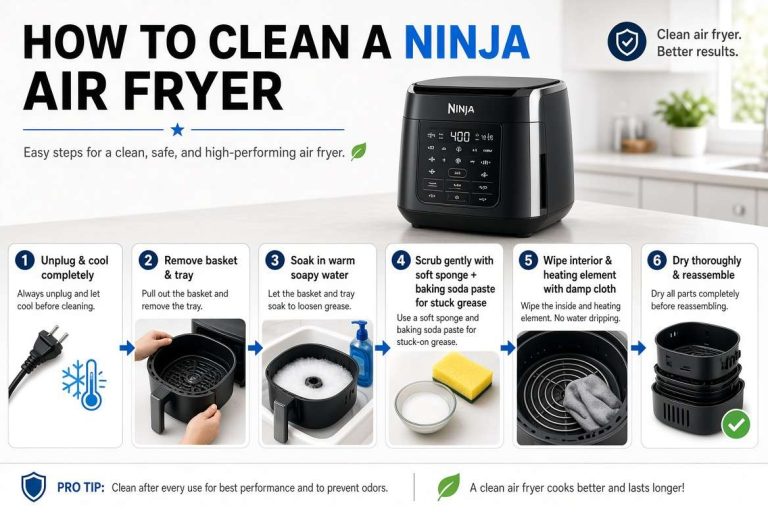
Old grease and crumbs can smoke and change the taste of your food. Wash the basket after each use, and let it dry well.
Using Metal Tools on Nonstick Baskets
Metal tongs can scratch the coating. Use silicone or wooden tools to protect your basket.
Troubleshooting: What If Something Goes Wrong?
My veggies are soggy. You likely overcrowded the basket or didn’t dry the food. Cook smaller batches and pat the pieces dry.
My veggies are burnt on the outside but raw inside. The pieces were too big, or the heat was too high. Cut them smaller and lower the temperature by 20 degrees.
My veggies are dry and tough. They cooked too long. Cut the time by a few minutes next round and add a little more oil.
The seasoning blew off. Light spices can fly around in the strong air. Toss the veggies with oil first so the seasoning sticks, and press it on with your hands.
The air fryer is smoking. Too much oil or old grease in the bottom drawer is the usual cause. Clean the drawer and use less oil.
Mixed Veggie Sheet “Medley” Idea
Want a full side dish in one go? Try this easy mix.
Ingredients:
- 1 cup broccoli florets
- 1 cup sliced zucchini
- 1 cup red bell pepper strips
- ½ cup red onion wedges
- 1 to 2 teaspoons olive oil
- ½ teaspoon garlic powder
- ½ teaspoon Italian seasoning
- Salt and pepper
Steps:
- Heat the air fryer to 380°F.
- Toss all the veggies with oil and seasonings.
- Cook for 10 to 12 minutes, shaking halfway.
- Finish with a squeeze of lemon and serve hot.
Because these veggies cook at a similar speed, they come out evenly done.
Can You Cook Frozen Veggies in an Air Fryer?
Yes, you can. Frozen veggies work well and save lots of prep time.
Here’s how to do it right:
- Don’t thaw them. Thawing makes them watery.
- Toss with a little oil and seasoning while they’re still frozen.
- Cook at 380°F to 400°F for about 10 to 15 minutes.
- Shake often to break up ice and help them brown.
Frozen broccoli, cauliflower, green beans, and mixed veggie blends all do great. They won’t be quite as crispy as fresh ones, but they’re still tasty.
How to Store and Reheat Leftovers
Roasted veggies keep well in the fridge for up to 4 days. Let them cool first, then place them in an airtight container.
To reheat, skip the microwave if you can. It makes them limp. Instead, pop them back in the air fryer at 350°F for 3 to 5 minutes. They’ll crisp up again and taste almost fresh.
You can also toss cold roasted veggies into salads, grain bowls, wraps, omelets, or pasta for an easy meal.
Are Air Fryer Veggies Healthy?
Roasting veggies in an air fryer is a healthy way to cook. You use far less oil than deep frying or pan frying. The short cook time also helps veggies keep much of their color, flavor, and nutrients.
Veggies are packed with fiber, vitamins, and minerals. When they taste great, you’re far more likely to eat them. That’s a real win for a balanced diet.
Keep the added salt and sugar in check, and your side dish stays light and good for you.
Frequently Asked Questions
Do I need to preheat my air fryer for veggies?
It helps, but it isn’t a must. A short preheat of 3 to 5 minutes gives you better browning. If your machine has no preheat setting, add 1 to 2 extra minutes to the cook time.
Can I use foil or parchment in the air fryer?
Yes, but be careful. Use parchment made for air fryers, and make sure it’s weighed down by food so it doesn’t fly into the heating element. Never block the air flow completely.
How much oil do I need?
Usually 1 to 2 teaspoons for a batch is plenty. Add a bit more for dense veggies like potatoes.
Why are my veggies not crispy?
The most common reasons are wet food, a crowded basket, and low heat. Fix those three, and you’ll see a big change.
Can I cook different veggies together?
You can, as long as they cook at a similar speed. If not, add the slow-cooking ones first.
What temperature is best for roasting veggies?
Most veggies roast well between 380°F and 400°F. Delicate ones like kale chips do better at a lower heat, around 300°F.
Is it okay to cook veggies without oil?
You can, but they’ll turn out drier and less golden. Even a tiny bit of oil makes a noticeable difference in taste and texture.
How do I stop small veggies from falling through the basket?
Use an air fryer liner with holes, or cut pieces a bit bigger. A small silicone mat also works for tiny items.
Quick Recap
Here’s the short version to keep in mind:
- Wash and dry your veggies well.
- Cut pieces the same size.
- Toss with a little oil and seasoning.
- Preheat if your air fryer allows it.
- Cook in a single layer.
- Shake halfway through.
- Finish with fresh flavor and serve hot.
Final Thoughts
Roasting veggies in an air fryer is simple, quick, and very forgiving. You don’t need special skills or fancy tools. A little oil, a hot basket, and a bit of space are all it takes to get crispy, flavorful results.
Start with an easy pick like broccoli or carrots. Once you get the feel for it, try new seasonings and mix different veggies. Soon, you’ll have a handful of go-to combos you can make without thinking.
So grab your favorite veggies, fire up the air fryer, and give it a try tonight. Your taste buds, and your dinner table, will thank you.

Mary is a home cooking enthusiast and kitchen appliance reviewer who loves helping people find the best tools for everyday meals. She enjoys testing air fryers, deep fryers, and other cooking appliances while sharing honest reviews and practical buying advice. Through FryerPick.com, Mary provides expert guides, product comparisons, and cooking tips to help readers choose the right fryer for their kitchen.