Can I Use Oil Spray In Air Fryer
Many people ask if they can use oil spray in an air fryer. The short answer is yes, and it is one of the most common ways to add a little fat to food before cooking. Oil spray helps food brown and crisp while using far less oil than deep frying.
This article explains how oil spray works in an air fryer, which types suit this kind of cooking, and what mistakes to avoid. It also covers simple steps for applying oil evenly, cleaning the basket, and comparing spray with other methods. By the end, a beginner should feel confident using oil spray safely and well.
Key Takeaways
- Oil spray is generally safe and useful in an air fryer when used in small amounts.
- A light, even coat helps food crisp, while too much oil makes results greasy.
- Pick an oil with a smoke point higher than your cooking temperature.
- Avoid spraying close to the heating element, and check your non-stick coating care guidance.
- Shake or flip food halfway through so every side gets a thin, even layer.
Can You Use Oil Spray in an Air Fryer?
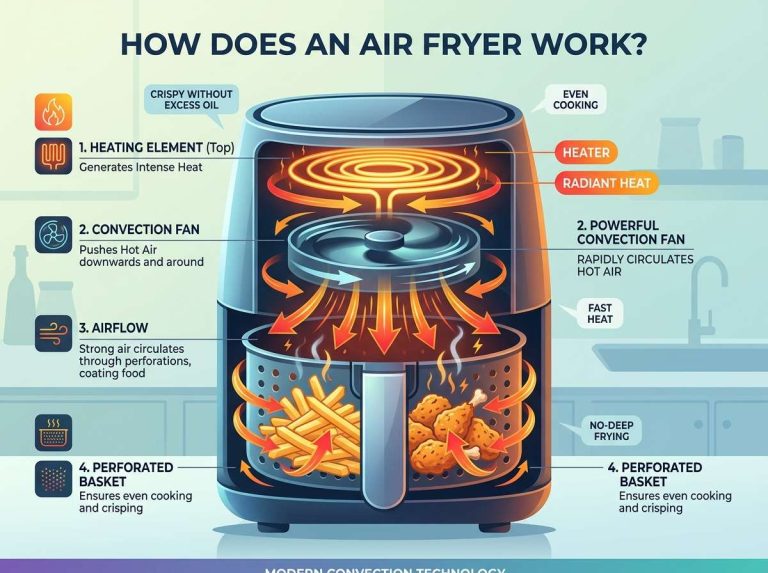
Yes, oil spray is a practical option for most air fryer recipes. Air fryers circulate hot air around food, so a small amount of oil helps surfaces brown and feel crisp. Many home cooks use spray because it is quick and easy to control.
Still, how you use it matters. The goal is a thin film, not a pool of oil. Using the right amount keeps food tasty without making the basket messy.
What Oil Spray Is and How It Differs From Liquid Cooking Oil
Oil spray is oil packed in a can or bottle that releases a fine mist when pressed. It is often sold as a plain oil, such as olive or canola, or as a blend that may include other ingredients. Some cooking sprays also contain additives that help the mist come out smoothly.
Liquid cooking oil is poured or brushed on by hand. Spray spreads the oil into a very thin, even layer across a large area. That makes it easier to avoid heavy spots on food.
Why Air Fryers Need Only a Little Oil
Air fryers cook with fast-moving hot air rather than a deep bath of oil. Because of this, food often browns well with only a small amount of fat. A light coating is usually enough to help the surface turn golden.
In practice, many recipes call for just a teaspoon or so of oil for a full batch. Too much oil can drip into the bottom of the basket and smoke. A light mist keeps the cooking clean and the results crisp.
How Oil Spray Works in an Air Fryer
Oil spray does two main jobs in an air fryer. It helps the outside of food dry out and brown, and it keeps food from sticking to the basket. The thin layer carries heat to the surface and encourages the browning reactions that give fried flavors.
How Hot Air Circulation Interacts With Oil
The fan in an air fryer blows hot air quickly across the food. The air moves away moisture from the surface, which helps the coating crisp. A thin film of oil supports this process by letting the surface heat evenly.
If oil is spread unevenly, some areas may dry out while others stay soft. That is why an even mist works better than dabbing a few spots. The fan spreads heat well, but the oil layer decides how even the color will be.
Why Aerosol Sprays Can Leave Residue on Baskets
Aerosol sprays contain propellants and other ingredients that can build up over time. When heated, these residues may turn sticky and dark on the basket and heating area. This buildup can make food stick more and be harder to clean.
Because of this, it helps to wipe the basket after each use and clean it thoroughly on a regular schedule. Some people prefer a pump sprayer filled with their own oil to avoid residue. Either way, a clean basket helps food release easily.
Using a pump sprayer or brushing on a small amount of oil can reduce this buildup. Either way, regular cleaning keeps the basket in good shape.
Types of Oil Spray to Use
Several oils work well in an air fryer. The best option depends on flavor, cost and the temperature you plan to use. Reading the label helps you find a product that suits your cooking.
Olive Oil Spray and Its Smoke Point
Olive oil is a popular choice for flavor. Its smoke point, the temperature at which oil starts to smoke and break down, is moderate. Many air fryer recipes run at temperatures that olive oil can handle, though very high settings may cause smoke.
Avocado and Canola Oil Sprays
Avocado and canola oils are often sold as sprays and have higher smoke points than many olive oils. They have fairly neutral flavors, so they suit a wide range of foods. They are a practical option for high-heat air frying.
Picking the Right Smoke Point for Air Frying
A good rule is to pick an oil whose smoke point sits above your cooking temperature. Air fryers often run between moderate and high heat. Checking the smoke point on the label or a trusted guide helps you avoid smoke and off flavors.
Common Mistakes to Avoid With Oil Spray
Most problems with oil spray come from a few simple habits. Knowing these mistakes helps beginners get better results from the start.
Spraying Too Close to the Heating Element
Spraying oil while the basket is in the unit, or near the heating element, can cause the mist to ignite or smoke. Spray over a plate or counter instead, then place the food in the basket. This keeps the mist away from hot parts.
Using Oil Spray on a Non-Stick Coating
Some non-stick coatings can be damaged by aerosol residue over time, which makes the surface sticky and hard to clean. Check the manufacturer’s care guidance before using spray on a coated basket. A light hand with a pump sprayer may be a gentler approach.
Using Too Much Oil and Creating Greasy Results
More oil does not always mean crispier food. Heavy coating can make food soggy or greasy and leave drips in the bottom of the basket. Start with a light mist and add more only if the food looks dry.
Step-by-Step: How to Use Oil Spray in Your Air Fryer
A simple routine makes oil spray easy to use. Follow these steps for even results.
Preparing the Basket and Food
Pat food dry with a paper towel so the oil sticks well. Place the food in a single layer where possible, leaving space for air to move. Preheat the air fryer if the recipe calls for it.
Spraying Evenly and Shaking Halfway Through
Hold the can about six inches from the food and spray a light, even coat. Turn or shake the food halfway through cooking so the other side gets browned. Spray again lightly if the surface looks dry.
Cleaning the Basket After Cooking
Let the basket cool slightly, then wash it with warm water and a soft sponge. Wipe away any sticky residue from spray. Dry it fully before the next use to keep the coating in good shape.
Oil Spray Versus Brushing Oil or Tossing Food in Oil
Oil spray is not the only way to add fat. Brushing and tossing are also common, and each has its place.
Pros and Cons of Each Method
- Oil spray gives a thin, even layer and is quick to use.
- Brushing lets you control the amount but can leave uneven spots.
- Tossing in a bowl coats food well but may use more oil and add mess.
Which Method Suits Different Foods
Spray works well for vegetables and light coatings. Brushing suits thicker items such as meat or bread. Tossing is helpful for potatoes or wedges that need a full, even coat.
Your preferred approach depends on the food and how much control you want. Many cooks mix methods, using a quick spray for most items and a brush for a few special foods.
Food Examples: When Oil Spray Helps Most
Oil spray suits many everyday foods. The examples below show where it tends to help most.
Crispy Vegetables and Potatoes
Vegetables and potatoes often turn crisp with a light mist of oil. Cut them into even pieces so they cook at the same rate. Spray, cook, and shake halfway through for the best browning.
Breaded Foods and Frozen Snacks
Many breaded and frozen items already contain some fat. A quick spray can still help the coating brown more evenly. Check the package instructions first, since some products are made to cook without any added oil.
Foods That Need Little or No Oil
Some foods, such as fatty meats or certain fish, release their own fat while cooking. These usually need little or no spray. Adding too much oil in these cases can make the result greasy.
Frequently Asked Questions
Can I use cooking spray instead of oil spray in an air fryer?
Yes, cooking spray is often used in air fryers as well. It is usually a blend of oil and propellant, so it may leave more residue on the basket over time. Wiping the basket after each use helps keep it clean.
Is it safe to use aerosol oil spray in an air fryer?
Aerosol oil spray is generally considered safe when used lightly and away from the heating element. Spraying over a counter or plate, not inside the hot unit, reduces the risk of smoke. Following the air fryer’s care instructions is also important.
Will oil spray damage the non-stick coating?
Aerosol residue can build up on some non-stick surfaces and make them sticky or harder to clean. Using a light amount and washing the basket well after each use can help. Check the manufacturer’s guidance for the specific coating on your model.
Do I need to oil the air fryer basket before every use?
Not always. Many foods, especially those with their own fat, cook well without added oil. A light spray on the food or basket is useful when you want extra browning or less sticking.
Can I make my own oil spray at home?
You can fill a clean, reusable pump sprayer with a neutral oil that suits your cooking. This avoids the propellants found in some aerosol cans. Store the oil in a cool place and use it within a reasonable time.
Conclusion
Oil spray is a practical and widely used option in an air fryer. A light, even mist helps food brown and crisp while keeping added fat low. Picking an oil with a suitable smoke point, avoiding heavy coating, and cleaning the basket regularly all improve results. With these basics, a beginner can use oil spray with confidence.

Mary is a home cooking enthusiast and kitchen appliance reviewer who loves helping people find the best tools for everyday meals. She enjoys testing air fryers, deep fryers, and other cooking appliances while sharing honest reviews and practical buying advice. Through FryerPick.com, Mary provides expert guides, product comparisons, and cooking tips to help readers choose the right fryer for their kitchen.