How To Use A Powerxl Vortex Air Fryer
Key Takeaways
- A PowerXL Vortex Air Fryer cooks food with fast-moving hot air, which gives a crisp texture with little or no oil.
- Clean the basket and crisper plate before the first use, and place the unit on a flat, heat-safe surface with open space around it.
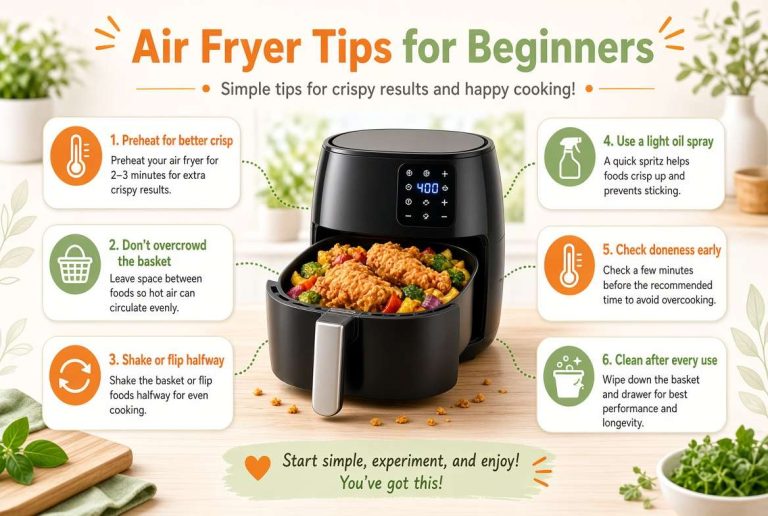
- Preheat when a recipe calls for it, add food in a single layer, and set time and temperature based on the food type.
- Shake or flip food partway through cooking for more even browning, and check doneness early.
- Clean the basket after each use to protect the non-stick coating and keep the appliance working well.
This guide explains how to use a PowerXL Vortex Air Fryer from the first day to everyday cooking. It covers what the appliance does, how to set it up, and how to run a simple cooking cycle. Readers will also find basic tips, easy starter foods and cleaning steps.
No prior experience is needed. The steps are written for beginners, and each term is explained the first time it appears. Following the routine below can help you get reliable results from your air fryer.
What Is a PowerXL Vortex Air Fryer?
An air fryer is a countertop appliance that cooks food with hot, circulating air. It works like a small convection oven. Most models use a fan and a heating element inside a compact chamber.
The PowerXL Vortex Air Fryer is a countertop model in this category. Its name refers to the swirling airflow that moves around the food. Exact features can vary by model, so check the manual that came with your unit.
How a Vortex Air Fryer Cooks Food with Hot Air
A fan pulls air in and pushes it past a heating element. The hot air then moves quickly across the food. This process is called convection.
Because the air moves fast, the outside of the food dries and browns. The inside stays moist. This is why air fryers can make foods like fries or chicken wings taste crisp with little oil.
In practice, the result depends on the food, the amount in the basket and the setup. Small adjustments often make a noticeable difference.
Main Parts and Controls to Know
Most PowerXL air fryers have a few core parts. The main ones are the outer housing, the cooking basket or drawer, and the crisper plate or tray inside the basket. The control panel sits on the front or top.
The control panel usually includes a display, a time setting, a temperature setting and cooking function buttons. Some models add preset programs for common foods. Check your manual to see which buttons your unit has.
Read the safety instructions before first use. These list the correct handling of hot surfaces, the power cord and the basket.
Getting Started: Unboxing and First-Use Setup
Start by checking the box against the included parts list. Confirm that the basket, crisper plate and any accessories are present. Keep the packaging materials away from children until you are finished.
Remove all stickers and protective film from the outside and inside. Wipe the unit with a dry cloth. Read the manual before you plug in the appliance.
Cleaning and Preparing the Basket Before the First Use
Wash the basket and crisper plate with warm water and mild dish soap. Use a soft sponge rather than steel wool, which can scratch the non-stick coating. Rinse well and dry all parts completely.
Some users run a short empty cycle to clear any manufacturing residue. If your manual recommends this, follow its steps and ventilate the kitchen while it runs. A light, temporary odor is normal the first time.
Placing the Air Fryer Safely on Your Counter
Choose a flat, stable surface that can handle heat. Keep the unit away from walls, cabinets and curtains. Leave open space around the back and sides so air can flow out.
Keep the cord away from the edge of the counter so it cannot be pulled. Plug the unit into a grounded outlet only. Avoid using an extension cord unless the manual allows it.
Do not place the air fryer under a cabinet or near a sink. Steam and heat can damage nearby surfaces. Give the top and back a clear gap as the manual describes.
Step-by-Step: How to Use a PowerXL Vortex Air Fryer
Once the unit is set up, a basic cooking cycle follows a clear order. The steps below apply to most models. Always confirm details against your own manual.
Preheating the Air Fryer
Preheating means running the unit for a few minutes before adding food. It brings the chamber up to the set temperature. Many recipes assume this step.
Set the temperature, then start the preheat function if your model has one. Some units simply run for a short time. Wait until the display or signal shows that preheating is finished.
Preheating is not always required. Frozen foods and some simple snacks often cook well without it. Check the recipe or food package for guidance.
Adding Food and Using the Basket Correctly
Pull the basket out fully before adding food. Place the ingredients on the crisper plate in a single layer. Space pieces apart so hot air can reach all sides.
Slide the basket back in firmly until it clicks or seats fully. Some baskets must be closed correctly before the unit will start. Never fill the basket above the max fill line.
Keep your hands clear of the hot air outlet. Use tongs or a silicone-tipped tool when you handle food inside the basket.
Setting Time, Temperature, and Cooking Functions
Choose a cooking function if your model offers one. Common choices include fry, roast, bake, reheat and dehydrate. Each one adjusts the airflow and heat for a type of food.
Next, set the temperature and time. Use the recipe or the chart in your manual as a starting point. Start with the shorter time and add more only if needed.
Because of this, a short check partway through is a good habit. Small changes in time can make a big difference in texture.
Shaking, Flipping, and Checking Doneness
Pause the unit about halfway through cooking. Pull out the basket and shake it gently. Shaking moves the pieces so they brown more evenly.
Some foods, such as large chicken pieces or thick fish fillets, need flipping instead. Turn each piece over with tongs. Then return the basket and resume.
Check doneness near the end. Use a food thermometer for meat and poultry, and follow safe internal temperatures from a trusted food safety source. For vegetables and snacks, look for color and texture.
Tips for Better Results with Your Vortex Air Fryer
Small habits can improve results. Most beginners notice the biggest change from adjusting oil and spacing. The tips below are simple to apply.
Using Oil, Seasoning, and Cooking Spray Wisely
Air fryers need much less oil than deep frying. A light coat is often enough for crispness. Too much oil can drip, smoke or leave food greasy.
Toss food with oil in a bowl before adding it to the basket. This spreads the oil evenly. Use an oil spray with care, since some sprays can damage the non-stick surface over time.
Season food before or during cooking. Dry seasonings stick best to lightly oiled surfaces. Heavy marinades may drip, so drain excess liquid first.
Avoiding Overcrowding and Uneven Cooking
Overcrowding is one of the most common causes of soggy food. When pieces touch or stack, hot air cannot reach them well. The result is pale, steamed spots.
Cook in batches when needed. It takes a little more time, but the food turns out crisper. Keep pieces roughly the same size so they finish together.
On the other hand, a few extra minutes of checking can save a a batch of uneven food. Still, it is easier to fix a small issue early than to rescue an overcooked tray at the end.
Easy Recipes to Try as a Beginner
Starting with simple foods helps you learn the controls.
These items usually need few steps and little prep. Times and temperatures below are general, so always check the package or your manual first.
Simple Frozen Foods and Snacks
Frozen fries, nuggets and vegetable bites are popular first choices. Spread them in a single layer and follow the package directions. Many frozen foods need only a light shake halfway through.
Frozen snacks like mozzarella sticks or egg rolls can also work well. Watch them closely near the end. Cheese can melt and leak if left too long.
Reheating leftover pizza or fries is another easy task. Use a lower temperature to avoid drying the food out. Check the first batch, then adjust for next time.
Basic Vegetables and Proteins
Chopped vegetables such as broccoli, bell peppers and potatoes are good practice items. Cut them into similar sizes and toss with a little oil and salt. Shake the basket during cooking so the edges brown evenly.
For proteins, start with boneless chicken pieces or thin fish fillets. Thinner cuts cook faster and are easier to judge. Always check the internal temperature with a food thermometer.
As a result, these foods build useful skills for later. You will learn how spacing, oil and timing affect the final texture.
Cleaning and Caring for Your Air Fryer
Regular cleaning keeps food tasting fresh and protects the appliance. Grease and crumbs can build up over time. A simple routine prevents most problems.
Daily Cleaning Routine
Let the unit cool before cleaning. Remove the basket and crisper plate and wash them in warm, soapy water. Use a soft sponge and dry all parts fully before reassembling.
Wipe the inside of the chamber with a damp cloth. Avoid soaking the heating area or pouring water into the housing. Never submerge the main unit.
Check whether your basket and plate are dishwasher safe. Follow the manual, since some non-stick coatings wear faster in dishwashers.
Deep Cleaning and Maintenance Tips
Once a week or as needed, remove stuck-on bits with a soft brush. Soak the basket in warm soapy water for a short time to loosen residue. Avoid harsh abrasives that can scratch the coating.
Check the vents and fan area for grease. Use a dry brush or cloth only, and only if the manual allows access. Make sure the unit is unplugged and fully cool first.
Store the appliance with the basket fully dry. Trapped moisture can lead to odors and staining over time.
Common Mistakes Beginners Make
Many early problems come from a few common habits. Knowing them can save time and food. Most fixes are simple.
- Overfilling the basket: This blocks airflow and leads to soggy food. Cook in smaller batches.
- Skipping shaking or flipping: Uneven browning often follows. Pause the unit halfway through.
- Using too much oil: Excess oil can drip, smoke or make food greasy. A light coat is usually enough.
- Trusting the time blindly: Every food and brand differs. Check early and adjust next time.
- Ignoring cleaning: Built-up grease can cause odors and affect performance. Wash the basket after each use.
PowerXL Vortex Air Fryer vs. Oven and Other Air Fryers
An air fryer is not the only way to cook crisp food. Comparing it with an oven or other models can help you choose the right tool. The best option depends on your needs.
Cooking Speed, Energy Use, and Capacity
Air fryers usually heat up quickly because the chamber is small. This can shorten This can shorten cooking time for many small batches. The smaller space also tends to use less energy than a full-size oven for the same food. Capacity is the trade-off.
A compact basket holds less than a standard oven rack, so larger meals may need several rounds. Different models vary in size and wattage, so compare the specifications listed for each unit. Check the capacity in quarts or liters before you buy, and match it to how many people you usually cook for.
When an Oven May Still Be the Better Choice
A conventional oven suits large roasts, whole chickens and sheet-pan meals. It also handles baking tasks like cakes, bread and casseroles with ease. Air fryers are not designed for these.
Ovens also offer more room for multiple dishes at once. If you cook for a crowd, an oven may save time overall. Many households use both tools for different jobs.
In short, an air fryer excels at small, crisp, quick foods. An oven is the better choice for large or wide-format cooking.
Frequently Asked Questions
Do I need to preheat a PowerXL Vortex Air Fryer?
Preheating is helpful for many recipes, especially those that depend on a crisp surface. Frozen foods and some simple snacks often cook well without it. Check your recipe or food package for the recommended approach.
Can I cook frozen food directly in the air fryer?
Yes, frozen foods are one of the most common uses for an air fryer. Spread them in a single layer and follow the package directions for time and temperature. A light shake halfway through often helps browning.
Do I have to shake or flip food while it cooks?
Shaking or flipping is not always required, but it usually improves even browning. Smaller pieces like fries benefit from shaking. Larger items such as chicken pieces are often better flipped with tongs.
Is it safe to put parchment paper in the basket?
Parchment paper can be used if it is cut to fit the basket and does not block airflow. Only use paper rated for high heat, and keep it weighed down with food so it does not lift into the heating area. Always follow your manual’s guidance on liners.
How often should I clean the basket and crisper plate?
Clean the basket and crisper plate after each use to prevent grease buildup and odors. A deeper clean once a week or as needed helps keep the non-stick coating in good shape. Always dry all parts fully before storing them.
Conclusion
Using a PowerXL Vortex Air Fryer is simple once you learn the basics. Set it up on a safe, open surface, clean the parts before first use, and preheat when a recipe calls for it. Add food in a single layer, set time and temperature with care, and shake or flip during cooking.
Clean the basket after each use and avoid overcrowding for the best texture. Start with simple frozen foods and vegetables, then try more recipes as your confidence grows. With steady habits, the appliance can become a reliable everyday cooking tool.

Mary is a home cooking enthusiast and kitchen appliance reviewer who loves helping people find the best tools for everyday meals. She enjoys testing air fryers, deep fryers, and other cooking appliances while sharing honest reviews and practical buying advice. Through FryerPick.com, Mary provides expert guides, product comparisons, and cooking tips to help readers choose the right fryer for their kitchen.