Combo Fryer Safety Tips
Combo fryers are kitchen appliances that can do several jobs in one unit, such as deep frying, air frying and sometimes baking or roasting. They are popular because they save space and make a wide range of meals easy to prepare. Like any appliance that heats oil and food, however, they need careful handling. Learning good combo fryer safety tips is the first step toward cooking with confidence.
This guide explains what a combo fryer is, how it works, and how to set it up and use it safely. It also covers oil handling, a simple routine for each cooking session, cleaning, emergency steps and common mistakes. Everything here is written for beginners, so no prior experience is needed.
In this article
Key Takeaways
- Place the fryer on a stable, level surface with plenty of clear space around it.
- Never overfill the basket or oil reservoir, and never leave the unit running unattended.
- Dry food before frying and add it slowly to avoid dangerous splatter.
- Know how to respond to a small grease fire, and never use water on oil fires.
- Clean, inspect and cool the unit fully after every use to keep it safe over time.
What Is a Combo Fryer and Why Safety Matters
Defining a Combo Fryer in Plain Terms
A combo fryer is a countertop appliance that combines more than one cooking method. Most models include a deep fry mode that uses hot oil, and many also offer a hot air mode. Some add settings for baking, roasting or reheating.
The main idea is flexibility. One machine can handle crispy snacks, roasted vegetables or a simple reheated meal. Because it has several functions, it is important to understand which mode uses oil and which relies only on hot air.
Common Ways People Use Combo Fryers at Home
Many households use a combo fryer for everyday foods such as fries, chicken pieces, fish, vegetables and frozen snacks. Others use the air fry or bake setting for lighter meals. Some people use it for reheating leftovers because it can restore crispness better than a microwave.
Each use brings slightly different risks. Deep frying with oil carries the most risk, while hot air cooking is generally gentler. Knowing which mode you are using helps you choose the right precautions.
Why Hot Oil and Heating Elements Need Extra Care
Cooking oil can reach very high temperatures. When it gets hot enough, it can cause serious burns or start a fire if it touches a flame, a spark or a heating element it should not touch. Even a small amount of spilled oil on a hot surface can spread quickly.
Heating elements and exposed metal parts also stay hot for some time after the unit is switched off. Treat every part of the fryer as hot until it has fully cooled. This simple habit prevents many everyday accidents.
How a Combo Fryer Works Safely
The Main Parts You Should Recognize
Most combo fryers have a housing or body, a cooking basket or tray, a control panel, a heating element and a lid or cover. Deep fry models also have an oil reservoir or pot. Knowing these parts helps you spot anything unusual during use.
The power cord and plug are also important parts. Check them regularly, since damaged cords can cause electrical faults. Keep the control panel dry, because moisture can affect how buttons and sensors work.
How Temperature Control and Thermostats Protect You
A thermostat is a small sensor that measures heat and tells the unit when to turn the heating element on or off. Its job is to keep the oil or air within the temperature you selected. This control helps prevent oil from overheating.
Still, a thermostat is a helper, not a guarantee. Always watch the display and check that the temperature setting suits the food you are cooking. Lower settings are usually better for delicate foods.
Why Automatic Shutoff Features Help
Many combo fryers include an automatic shutoff. This feature turns the unit off after a set time or when it senses a problem, such as overheating. It adds a useful layer of protection, especially if you get distracted during cooking.
Even so, automatic shutoff is not a replacement for attention. Treat it as a backup. Stay nearby while the fryer is in use and never rely on it to handle a hazard for you.
Setting Up Your Combo Fryer Safely
Picking a Stable, Level Spot on Your Counter
Place the fryer on a flat, sturdy surface that can hold its full weight when filled with oil or food. An uneven counter can cause the unit to tip, which may spill hot oil. A stable spot is one of the simplest safety steps you can take.
Keep the fryer away from the edge of the counter. Children or pets may bump it or pull on the cord if it sits too close to the edge.
Keeping Clearance From Walls, Cabinets and Curtains
Leave open space around the fryer, as recommended in the user manual. Hot air and steam release from vents, and heat can build up if the unit is crowded. Keep the area above and behind the appliance clear.
Also keep curtains, paper towels, dish towels and wooden utensils away from the unit. These items can catch fire if they touch a hot surface. Store them in a separate drawer or cabinet while cooking.
Using the Right Power Outlet and Cord
Plug the fryer directly into a wall outlet that matches its electrical needs. Avoid using extension cords or power strips unless the manual allows it. Overloaded outlets can overheat and create a fire risk.
Position the cord so no one can trip over it or pull the appliance down. Never let the cord hang over a hot surface or touch the unit’s hot exterior.
Handling Oil and Food Safely
Picking the Right Cooking Oil and Quantity
Choose an oil that has a high smoke point, which means it can handle high heat before it begins to smoke. Common options include refined vegetable oils. Check the manual for any oil types it recommends.
Fill the oil reservoir only to the level marked inside the unit. Using too much oil can cause it to bubble over when food is added. Too little oil can cause uneven cooking and overheating.
Preheating and Adding Food Without Splashing
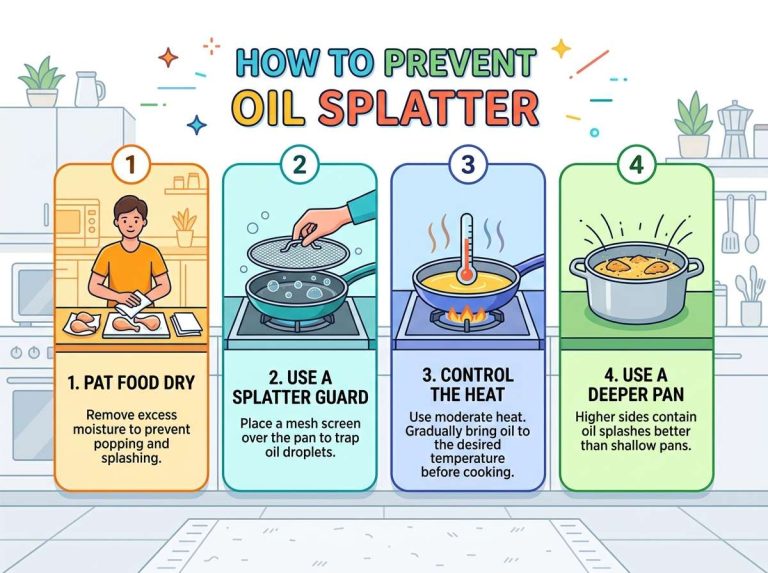
Preheat the oil to the setting in your recipe or manual before adding food. Cold food dropped into very hot oil can cause sudden splattering. Preheating also helps food cook more evenly.
Pat food dry with a paper towel before frying. Water causes oil to spit and bubble violently. Lower the basket slowly and gently, and keep your face and hands away from the opening.
Recognizing Oil That Has Reached Its Limit
Oil that is dark, smells burnt or foams heavily has broken down and should be replaced. Old oil can smoke at lower temperatures, which raises the risk of fire. Visible smoke during normal cooking is a signal to lower the heat and check the oil.
Never reuse oil that has been used many times or cooked very strong-smelling foods. Replace it sooner rather than later.
Step-by-Step Safety Routine for Each Use
Before You Start Frying
- Read the user manual and confirm the fryer is clean, dry and undamaged.
- Place the unit on a stable surface with clear space around it.
- Check the cord and plug for cracks or damage before plugging in.
- Measure the correct oil amount and fill only to the marked level.
- Pat food dry and have tongs or a long-handled tool ready.
- Keep a lid, baking soda or a fire extinguisher nearby, and confirm you know where it is.
While the Fryer Is Running
Stay in the kitchen while the fryer is on. Watch the display, listen for unusual sounds and check for smoke or strong odors than the normal cooking smell. If you notice smoke, sparks or a burning smell, turn the unit off and unplug it once it is safe to do so.
Keep children and pets out of the area. Hot oil can splash without warning, and a child may reach for the basket or cord. Set a clear rule that the fryer area is off limits to them while it is in use. Open the basket slowly and tilt it away from your body.
Steam and hot oil can escape quickly, so take a moment before reaching in. Use tongs or a long-handled tool rather than your fingers.
Cooling Down and Storing Oil Afterward
Turn the fryer off and unplug it before moving or cleaning it. Let the oil and metal parts cool completely.
This can take a long time, so do not rush the process.
Once the oil has cooled, strain it through a fine mesh to remove food bits. Store it in a clean, sealed container away from heat and sunlight. Label the container clearly so no one mistakes it for water or another liquid.
Cleaning and Maintenance for Long-Term Safety
Routine Cleaning After Each Cooking Session
Clean the basket, tray and oil reservoir after each use, following the manual. Food residue can burn during the next session and produce smoke. A clean unit also cooks more predictably.
Wipe the exterior with a damp cloth. Never submerge the main body or electrical parts in water. Dry every part fully before putting the unit away or reassembling it.
Checking Cords, Plugs and Seals
Look over the power cord and plug at regular intervals. Cracks, exposed wires, scorch marks or a loose plug are signs that the cord needs attention. Stop using the fryer until the problem is fixed.
Check any gaskets, seals or lid edges as well. Damaged seals can let steam or oil escape, and they can affect how the unit holds heat.
When to Replace Parts or the Whole Unit
Replace parts that are cracked, warped or no longer fit securely. Use only replacement parts the manufacturer recommends. Mismatched parts can create new hazards.
If the unit repeatedly shuts off on its own, smells of burning electrics or heats unevenly, stop using it. Contact the manufacturer or a qualified repair service. Replacing the whole unit may be safer than repeated repairs.
Fire and Burn Safety: What to Do in an Emergency
Handling a Small Grease Fire Calmly
If oil catches fire, stay calm and turn off the heat if you can do so safely. Keep the lid on the fryer or slide a metal lid over the pot to cut off the air. Leave the lid in place until the fire is completely out and the oil has cooled.
Do not move the burning pot. Do not carry it outside or to the sink, since that can spread the fire and cause severe burns. If the fire grows or you feel unsafe, leave the room, close the door and call emergency services.
First Aid for Minor Burns
For a minor burn, cool the area under cool, running water for at least several minutes. Remove rings or tight items near the burn if you can do so easily. Cover the area loosely with a clean, non-stick dressing.
Seek medical care for burns that are large, deep, on the face, hands or joints, or that show blistering across a wide area. Do not apply ice, butter or home remedies to a serious burn.
Keeping a Fire Extinguisher Within Reach
Keep a fire extinguisher rated for kitchen fires near the exit of the room. Make sure everyone who cooks knows where it is and how to use it. Check the gauge or indicator regularly, following the instructions on the label.
Check that the extinguisher is suitable for cooking oil fires. Some types are designed only for other kinds of fire and may not work well on grease.
Common Mistakes to Avoid
Overfilling the Basket or Oil Reservoir
Overfilling is one of the most common errors. Too much food can drop oil levels suddenly and cause uneven cooking. Too much oil can overflow when food goes in.
Fill the basket only to the level the manual recommends. Leave space so the food can move freely and the hot oil can circulate. Work in smaller batches for better results and a safer cooking surface.
Leaving the Fryer Unattended
Some people step away while food cooks, assuming the timer will handle everything. A timer is helpful, but it cannot notice smoke, a spill or a loose cord. Staying nearby gives you time to react if something goes wrong.
If you must leave the room, turn the fryer off first. Wait until someone is available to keep an eye on it.
Using Water or the Wrong Extinguisher on Oil Fires
Water is never the right choice for an oil fire. When water hits hot oil, it turns to steam instantly and can throw burning oil in every direction. This can spread the fire and cause serious injury.
Use a lid, a fire blanket or an extinguisher designed for kitchen fires instead. A baking soda fire extinguisher or a Class K extinguisher is generally recommended for cooking oil. Check the label to confirm the type before you buy one.
Combo Fryer Safety Compared to Other Kitchen Appliances
How Combo Fryers Differ From Air Fryers and Deep Fryers
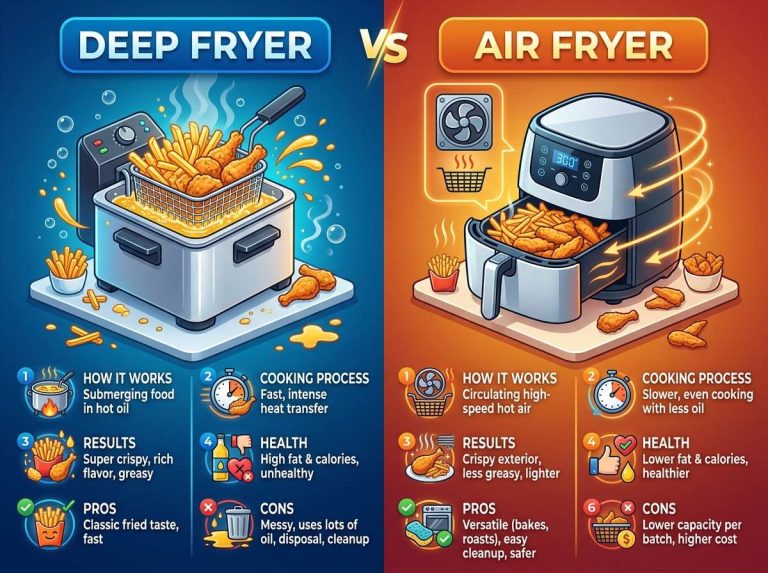
A dedicated air fryer uses hot air circulated by a fan and usually uses little or no oil. A traditional deep fryer is built around a large pot of oil and often has fewer added features. A combo fryer sits between these two, offering both oil and hot air modes.
Because of this mix, a combo fryer needs the caution of a deep fryer whenever oil is involved. Hot air mode carries less risk, but it still produces high heat, so basic precautions still apply.
Which Safety Features to Look For in a Beginner Model
Look for a cool-touch exterior, a clear display, an automatic shutoff and a basket that locks securely into place. A removable oil container and a visible fill-level marking also make handling easier. Read the product details carefully, since features vary by model.
In practice, a simpler control panel is often easier to use safely. Choose a model whose controls and instructions you understand before you begin.
Frequently Asked Questions
Is a combo fryer safe to use indoors?
Yes, combo fryers are designed for indoor countertop use. They are safe when placed on a stable surface, kept clear of walls and curtains, and used with the manual’s guidance. Good kitchen ventilation also helps with smoke and cooking odors.
Can I leave a combo fryer running while I am in another room?
It is best not to. Leaving the fryer unattended increases the risk of smoke, spills or fire going unnoticed. Stay in the kitchen while oil is heating and cooking.
How often should I change the cooking oil for safety reasons?
There is no single schedule for every kitchen, because use varies. Replace oil when it looks dark, smells burnt, foams heavily or smokes at normal cooking temperatures. Following the manual’s guidance is the safest starting point.
What should I do if the oil starts smoking?
Lower the heat or turn the fryer off if you can do so safely. Keep the lid on and do not move the pot. Check the oil once it cools, since smoking oil is often old or overheated and should be replaced.
Are combo fryers safe to use around children and pets?
Combo fryers can be used around children and pets with careful supervision and clear boundaries. Keep the appliance out of reach while it is hot, and keep the cord out of their path. Hot oil and hot surfaces can cause serious injuries, so the cooking area should stay off limits to them during use.
Conclusion
Combo fryer safety comes down to a few habits. Set up the unit on a stable, clear surface, use the right oil and amounts, and dry food before frying. Stay nearby while it runs, and let everything cool fully before cleaning or storing it.
Know how to respond to a small fire, and keep the right extinguisher within reach. Inspect the cord and seals regularly, and replace parts when need ed. With these steps in place, a combo fryer can be a useful, reliable part of everyday cooking.

Mary is a home cooking enthusiast and kitchen appliance reviewer who loves helping people find the best tools for everyday meals. She enjoys testing air fryers, deep fryers, and other cooking appliances while sharing honest reviews and practical buying advice. Through FryerPick.com, Mary provides expert guides, product comparisons, and cooking tips to help readers choose the right fryer for their kitchen.