Best Foods For Combo Fryers
In this article
Key Takeaways
- A combo fryer uses hot moving air and, in some modes, a small amount of oil to cook food with less fat than deep frying.
- Foods with a dry surface and a bit of natural fat, such as frozen fries, chicken pieces and firm vegetables, usually turn out well.
- Wet batters, loose coatings and very delicate fish are harder to manage and often need extra care.
- Preheating, leaving space between pieces and flipping food halfway help most dishes cook evenly and crisp up.
What Is a Combo Fryer and Why Food Choice Matters
A combo fryer is a kitchen appliance that can cook food in more than one way. Most models can air fry, which means blowing hot air around food to crisp it. Many also offer other modes, such as frying with oil or roasting.
Picking the right food makes a big difference. Some foods crisp beautifully in a few minutes, while others dry out or stick to the basket. Knowing which foods suit this appliance saves time and frustration.
What a Combo Fryer Does
A combo fryer heats a chamber and moves air around it with a fan. The hot air cooks the outside of food quickly and gives it a golden, crisp surface. The basket or tray holds the food so air can reach all sides.
Because the appliance uses little or no oil in its air fry setting, many people use it to cook familiar fried foods with less grease. It is also handy for reheating and for cooking simple meals in one container.
How Combo Fryers Differ From Standard Air Fryers
A standard air fryer usually does one job: fast, hot air cooking. A combo fryer adds extra cooking options. These can include a deep-fry or pan-fry style mode, a roast mode, or a dehydrate mode, depending on the model.
The core idea is the same, though. Both rely on airflow and heat, so the same food basics apply. Food that crisps well in a basic air fryer will usually do well in a combo model too.
How Combo Fryers Cook Food
Knowing the cooking process helps you pick better foods. Heat, air and moisture all play a part. Once these make sense, results become more predictable.
Hot Air Circulation and Crisping
The fan pushes hot air across the surface of the food. This dries the outside and causes browning, the same reaction that makes toast golden. The result is a crisp layer on the outside with a tender inside.
Food needs air to reach it. When pieces touch or pile up, the spots underneath stay soft. This is why spacing matters so much.
Frying, Air Frying and Other Cooking Modes
Air fry mode uses hot air alone, often with a light spray or brush of oil. Fry mode may use a bit more oil for a richer texture. Roast mode is gentler and suits vegetables and larger pieces.
Each mode suits different foods. Check your appliance’s manual to see what each setting does, since names and temperature ranges vary by model.
Why Moisture and Oil Affect Results
Moisture is the main enemy of crispiness. Water on the surface turns to steam first, which slows browning. Patting food dry before cooking helps a lot.
A small amount of oil helps food brown and taste rich. Foods with natural fat, such as chicken skin, often need less added oil. Lean foods, like plain tofu or fish, usually benefit from a light coat.
Best Foods for Combo Fryers
Many everyday foods work well in a combo fryer. The best choices have a fairly dry surface, a firm texture and a size that fits the basket. Here are some of the most common options.
Frozen Fries and Potato Dishes
Frozen fries are one of the most popular foods for combo fryers, and they are very easy to start with. Frozen fries already have a light coating that helps them crisp. Shake the basket halfway through so the pieces brown on all sides.
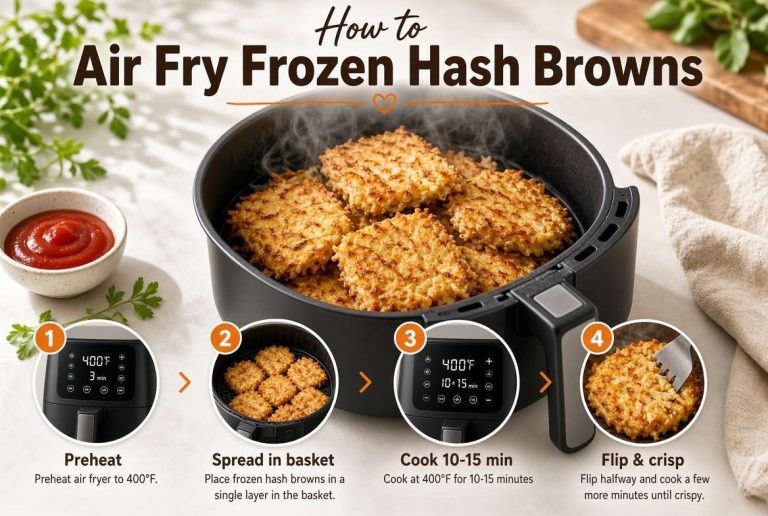
Potato dishes such as wedges, cubed potatoes and hash browns also suit this appliance. Cut fresh potatoes into even pieces and dry them well. A light spray of oil helps them turn golden.
Chicken Wings, Drumsticks and Tenders
Chicken pieces with skin often turn out juicy with a crisp surface.
The natural fat in the skin helps the outside brown. Pat the pieces dry before cooking.
Tenders and boneless pieces cook more quickly. Check them early to avoid dryness. A simple seasoning of salt, pepper and a little oil is often enough.
Vegetables Such as Broccoli, Zucchini and Brussels Sprouts
Firm vegetables hold their shape well in hot air. Broccoli florets, zucchini slices and halved Brussels sprouts often develop crisp edges. Toss them lightly with oil and salt before cooking.
Softer vegetables, like sliced tomatoes or leafy greens, can wilt or dry out quickly. Keep them in a separate batch or add them near the end of cooking.
Fish Fillets and Shrimp
Firm fish fillets, such as cod or salmon, can cook well with a light coating of oil and seasoning. Shrimp cook quickly and turn pink when done. Both benefit from a short preheat and a close check near the end.
Thin fish pieces can overcook fast. Start checking early, and use a food thermometer if you have one to confirm doneness.
Tofu and Plant-Based Protein
Pressed, firm tofu is a strong choice for beginners. Cut it into cubes or slabs and dry it well with paper towels. A light coat of oil and seasoning helps it brown.
Plant-based protein products often come pre-cooked or pre-shaped. Follow the package directions, since many are designed to crisp in a fryer.
Reheating Leftovers Like Pizza and Fried Foods
Combo fryers reheat leftovers well because hot air brings back crispness that a microwave often loses. Pizza slices heat through and get a crisp base. Leftover fried foods can regain much of their crunch.
Use a low to medium temperature for reheating so the inside warms without the outside burning. Check after a few minutes and adjust as needed.
Foods That Work Less Well in a Combo Fryer
Some foods are harder to manage in this appliance. They are not impossible, but they often need extra care or a different method. Knowing these limits prevents disappointment.
Wet Batters and Loose Coatings
Wet batters drip through the basket and form a mess below. Loose breadcrumbs can blow around and burn. Dry, well-coated foods avoid these problems.
If you want a battered result, try a dry coating first, such as flour, egg and breadcrumbs, pressed firmly onto the food.
Delicate Fish and Thin Foods
Thin, soft fish such as sole can break apart or stick to the basket. Very thin foods may dry out before the outside browns. Use parchment under the food and check often.
Large Cuts of Meat and Whole Birds
Large roasts and whole birds usually do not fit well in the basket. Even when they fit, the outside can brown long before the center is cooked. A conventional oven is often the better choice for these.
Tips for Cooking the Best Foods in a Combo Fryer
A few simple habits improve nearly every batch. These tips apply to most foods and most models. They help you get more even results with less guesswork.
Preheating and Spacing Food in the Basket
Preheating the appliance for a few minutes helps food start cooking right away. Arrange pieces in a single layer with space between them. Cook in batches if needed.
Using Little or No Oil Safely
Use a light spray or of oil, or a small brush, rather than pouring oil over the food. Too much oil can drip into the heating element and cause smoke or odor. Too little can leave food dry and pale. Start with a small amount and add more only if needed.
Shaking, Flipping and Checking Doneness
Shake the basket or flip larger pieces about halfway through cooking. This helps every side brown evenly. Check food near the end of the suggested time, since cooking speed varies by model and by how full the basket is.
Look for a golden color and a firm feel. For meat and poultry, a food thermometer gives the most reliable answer. Food safety guidance lists the safe internal temperature for each type.
Using Parchment, Foil and Accessories
Parchment liners help prevent sticking and make cleanup easier. Use perforated parchment so air can still flow through it. Solid foil can block airflow, so use it carefully and only as your manual allows.
Some models come with racks or skewers. These add room for more food and help with uneven cooking. Check what your model includes before buying extra accessories.
Simple Examples of Combo Fryer Meals
Seeing a full meal can make the idea easier to picture. These examples show how a few foods can come together. Times and temperatures will vary, so always follow your appliance guide and check for doneness.
A Breakfast Example With Frozen Hash Browns and Eggs
Start by preheating the appliance. Cook frozen hash browns in a single layer until golden, shaking once halfway through. Crack eggs into a small oven-safe dish and cook them in the fryer for a short time until set.
This works well for a quick breakfast. The hash browns turn crisp while the eggs cook gently alongside them.
A Dinner Example With Chicken Thighs and Roasted Vegetables
Pat chicken thighs dry, season them and place them skin side up in the basket. Toss broccoli and zucchini with a little oil and salt in a separate tray or batch. Cook the chicken first, then add the vegetables for the final stretch.
Check the chicken with a thermometer before serving. The vegetables should be tender with crisp edges.
A Snack Example With Tofu Bites
Press firm tofu, cut it into small cubes and dry them well. Toss the cubes with a light coat of oil, salt and your favorite seasoning. Cook in a single layer and shake halfway through.
These bites make a simple snack or a topping for salads and bowls.
Comparing Foods by Ease, Texture and Speed
Foods differ in how much attention they need. Some turn out well with little effort, while others reward patience. Comparing them helps you choose what to cook first.
Beginner-Friendly Foods to Start With
Frozen fries, frozen chicken pieces and firm vegetables are easy starting points. They need little preparation and forgive small timing mistakes. Pressed tofu is another friendly choice.
These foods also teach you how your model behaves. Once you know its speed and heat, other foods become easier.
Foods That Need More Practice
Delicate fish, battered foods and very thin items take more skill. They can stick, break or overcook quickly. Plan to watch them closely and use parchment when you can.
Practice with simpler foods first. Then move to these more challenging ones once you feel comfortable.
Common Mistakes to Avoid
Most problems with a combo fryer come from a few common habits. Knowing them in advance helps you avoid frustration. Small changes often lead to much better results.
Overcrowding the Basket
Packing too much food into the basket blocks airflow. The result is soggy spots and uneven cooking. Work in batches, even if it takes a little longer.
Skipping Preheating and Skipping Flips
Skipping preheating can slow browning and make cooking times less predictable. Skipping flips or shakes often leaves one side pale. Both steps are quick and make a clear difference.
Using Too
Using Too Much or Too Little Oil
Too much oil can cause smoke, drips and a greasy texture. Too little can leave food dry and pale. Aim for a light, even coat and adjust from there.
Cooking Wet or Marinated Food Without Draining
Excess liquid from marinades or washed produce turns to steam. Steam keeps food soft and can splatter inside the appliance. Drain and pat food dry before it goes in the basket.
Frequently Asked Questions
Can I cook frozen food in a combo fryer without thawing it?
Yes, most frozen foods such as fries, nuggets and chicken pieces cook well straight from the freezer. Follow the package directions for guidance on time and temperature. Shake or flip the food halfway through for even browning.
Do I need to add oil to food in a combo fryer?
Not always. Foods with natural fat, such as chicken with skin, often need little or no added oil. Lean foods like tofu or many vegetables usually benefit from a light coat. Start with a small amount and add more only if the food looks dry.
What is the best temperature for chicken in a combo fryer?
Chicken should reach a safe internal temperature, which food safety guidance lists as 165°F (74°C) for poultry. The exact cooking temperature depends on the cut and your model. A food thermometer is the most reliable way to confirm doneness.
Can I cook vegetables and proteins together in the same batch?
You can, but it often works better in separate batches or staggered timing. Proteins like chicken usually need longer than most vegetables. Adding vegetables later helps both foods finish at a similar point.
How do I keep food crispy after it comes out of the combo fryer?
Serve food soon after cooking, since steam softens crispy surfaces over time. Place it on a rack or on paper rather than stacking it on a plate. If you need to hold food, keep it in a single layer in a warm, dry place.
Conclusion
Combo fryers suit a wide range of foods, especially those with a dry surface and a firm texture. Frozen fries, chicken pieces, firm vegetables and pressed tofu are great places to begin. Delicate fish, wet batters and large roasts need more care or a different method.
Preheating, spacing food, using a light amount of oil and flipping halfway make a clear difference. With a little practice, you will learn how your model cooks and which foods suit your routine best.

Mary is a home cooking enthusiast and kitchen appliance reviewer who loves helping people find the best tools for everyday meals. She enjoys testing air fryers, deep fryers, and other cooking appliances while sharing honest reviews and practical buying advice. Through FryerPick.com, Mary provides expert guides, product comparisons, and cooking tips to help readers choose the right fryer for their kitchen.