Can A Combo Fryer Replace An Oven
Many home cooks wonder if a combo fryer can replace an oven. It is a fair question, especially for people with a small kitchen or limited counter space. A combo fryer combines air frying, convection heat and roasting in one compact countertop unit.
This guide explains how these appliances work, what they handle well, and where a traditional oven still has the advantage. It also covers size, energy use, useful tips and common mistakes. By the end, readers should have a clear sense of if a combo fryer can take over their everyday cooking.
In this article
Key Takeaways
- A combo fryer can handle many everyday tasks, such as reheating, roasting vegetables and cooking small batches of meat.
- It cooks with fast-moving hot air, which often shortens cooking times compared with a conventional oven.
- Its interior is smaller, so large roasts, big casseroles and multiple trays may not fit.
- Recipes often need small adjustments in temperature and time, and checking doneness helps.
- For most households, a combo fryer works best as a helpful partner to an oven rather than a full replacement.
What Is a Combo Fryer and How Does It Differ From an Oven?
Defining a Combo Fryer in Simple Terms
A combo fryer is a countertop appliance that cooks food with hot, moving air. It usually has a heating element, a fan and a basket or tray inside a compact housing. Many models also offer a rotisserie or a second layer of racks.
The name “combo” refers to the way these units bundle several cooking methods into one device. A buyer might get air frying, baking, roasting and reheating in the same box. This variety is the main reason people consider them as an oven alternative.
Air Frying, Convection and Roasting Explained
Air frying uses rapid hot air to crisp food. The air moves quickly around the food, which drives off surface moisture and creates browning. Very little oil is needed, although some cooks still add a light coating for flavor.
Convection means a fan moves heated air around the cooking space. This helps food cook more evenly than still air does. Roasting, in this context, means cooking food at high, dry heat so the outside browns and the inside stays tender.
Where Traditional Ovens Still Have an Edge
A standard oven has a much larger interior. This makes it the better choice for big roasts, deep casseroles, multiple baking sheets and tall layer cakes. It also holds steady heat over long periods.
Full-size ovens often offer a broader temperature range and more rack positions. Some combo fryers are very capable for smaller meals, but the difference becomes most noticeable when cooking for a crowd.
How a Combo Fryer Cooks Food
Heat Circulation and Fan Power
The fan is the heart of a combo fryer. It pushes hot air across the food from all sides, which speeds up heat transfer. Because the cooking chamber is small, the air reaches the food quickly.
Fan power affects how well the air moves. Stronger airflow usually crisps food faster, but it can also dry out delicate items. Beginners can match the setting to the food, using gentler airflow for fish or custard-based dishes.
Cooking Modes Most Combo Fryers Offer
Most units include several preset modes. Common ones include air fry, bake, roast, reheat, dehydrate and keep warm. Each mode adjusts temperature and fan speed to suit a type of food.
Presets are a helpful starting point, but they are only general guidelines. Users often make small changes to suit their taste and the size of their food.
Why Cooking Time and Temperature Can Feel Different
Because hot air circulates so quickly, food often cooks faster in a combo fryer than in a conventional oven. Many recipes need a shorter time or a slightly lower temperature to keep the outside from burning before the inside is ready. Checking food early prevents mistakes.
Small units also heat up quickly, so the temperature can rise and fall in short bursts. This is normal and does not mean the appliance is faulty. Watching the food and using a thermometer gives the best results.
Can a Combo Fryer Replace an Oven for Everyday Cooking?
For many everyday meals, a combo fryer does a very good job. It handles small tasks well and saves preheating time. If it can replace an oven depends on what a household cooks most often.
Foods That Work Well in a Combo Fryer
Combo fryers excel at crisping foods that need a golden, crunchy finish. Examples include chicken pieces, potato wedges, breaded fish, tofu and frozen snacks. They also reheat leftover pizza and fried foods well, often better than a microwave.
Vegetables such as broccoli, carrots and peppers roast nicely in a small basket. Cooking them in a single layer helps them brown evenly.
Dishes That Still Need a Full-Size Oven
Large casseroles, deep-dish lasagna and multiple sheet pans usually need a full oven. Many dishes simply will not fit inside a compact unit. Tall stacks of food also tend to cook unevenly in a small chamber.
Dishes that rely on long, low, steady heat, such as slow-braised meats, are better suited to a conventional oven.
Baking Cakes, Bread and Pastries in a Combo Fryer
Many combo fryers can bake small cakes, muffins, cookies and small loaves. They usually need smaller pans and a little patience. Because the top may brown faster, some bakers cover the batter loosely with foil partway through.
Bread and pastries can turn out well if the recipe is scaled down. Larger or taller bakes may need more time than the appliance can comfortably provide. Results vary by model, so checking early is wise.
Roasting Meat, Vegetables and Whole Meals
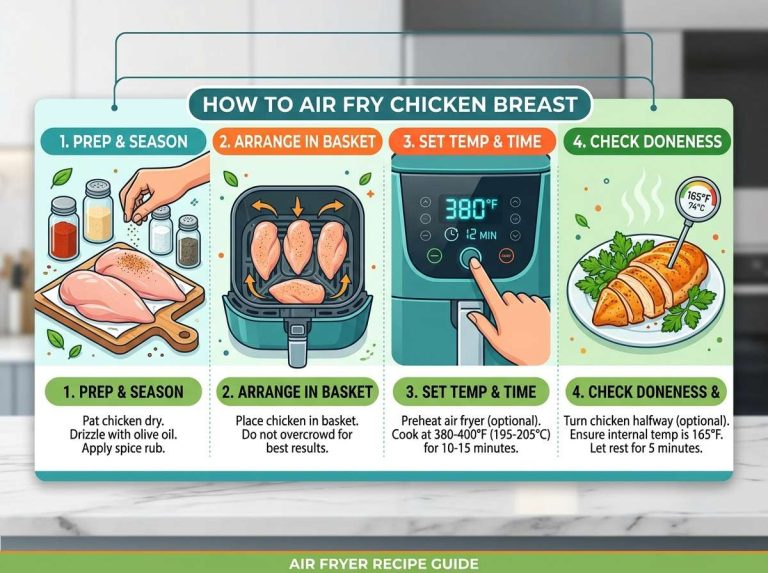
Small cuts of meat, such as a chicken breast, pork chops or a small chicken, roast well in most combo fryers. Vegetables and small potatoes cook quickly and develop a pleasant crust. Meals for one or two people can often be prepared in a single batch.
Whole turkeys and large roasts generally do not fit. Users who cook these for gatherings will likely still need a full oven.
Size, Capacity and Space Considerations
Checking Interior Size Against Your Usual Cookware
Before buying, measure the interior and compare it with the pans and dishes already in the kitchen. A baking dish that fits a full oven may be too wide or too deep for a combo fryer. Writing down common sizes makes the comparison easier.
Many models include a basket or removable tray. Check if these accessories are included and what sizes they come in.
Cooking for One, Two or a Family
Combo fryers suit singles and couples very well. Cooking for a family of four or more may mean working in several batches. Batch cooking takes more time, but it still works for weeknight meals.
Households that host often may keep the full oven for larger gatherings and use the combo fryer for daily meals.
Counter Space and Kitchen Layout
A combo fryer sits on the counter, so it takes up workspace. Leave room for airflow around the sides and back, and keep a clear area above it so hot air can vent safely.
In a small kitchen, a combo fryer can free up room that a built-in oven would use, which makes it a popular choice for apartments and compact homes.
Step-by-Step Tips for Switching From an Oven
Adapting Recipes and Adjusting Cooking Times
Start by reading the recipe and noting the oven temperature and time. Many guides suggest lowering the temperature slightly and checking food earlier than the recipe states. Writing notes on the first attempt helps build a personal guide for future meals.
Some recipes need a lid, foil or a covered dish to keep moisture in. Adding these steps can prevent dry results. Small trial runs with simple foods, such as vegetables, show how a specific model behaves.
Preheating, Shelf Position and Using the Right Pans
Many combo fryers heat up quickly, so a long preheat is often unnecessary. Some manufacturers still suggest a short warm-up for the best browning. The manual is the most reliable source for this detail.
Shelf or basket position matters, too. Placing food closer to the heating element browns it faster, while a lower position gives gentler heat. Metal pans that fit the interior without touching the walls allow air to flow freely.
Checking Doneness With a Thermometer
Relying only on color can lead to undercooked or overcooked food. A food thermometer gives a more accurate reading, especially for meat and poultry. Inserting it into the thickest part of the food shows if it has reached a safe internal temperature.
For baked goods, a toothpick inserted into the center should come out clean. Checking early and often prevents disappointment.
Energy Use, Speed and Running Costs
How Combo Fryers Compare for Energy and Time
Because a combo fryer has a small interior, it has less air to heat. This often means it uses less energy than a full oven for small meals. Its faster cooking can also reduce the total time the appliance runs.
Actual energy use depends on the model, the food and the settings. Exact figures are best found in the product manual or specification sheet. In general, a smaller appliance suits smaller jobs better.
Batch Cooking and Reheating Efficiency
Reheating leftovers is one of the most practical uses of a combo fryer. A few minutes can bring back crispness to pizza, fries or fried chicken, often more quickly than heating a large oven.
Batch cooking works well when food is cooked in a few rounds. Keeping each batch in a single layer helps it cook evenly. Over time, this approach can save both time and energy.
Common Mistakes to Avoid
Overcrowding the Basket or Tray
Packing too much food into the basket is one of the most common errors. Crowded food steams instead of crisping. Cooking in smaller batches gives better texture and color.
A single layer with a little space between pieces lets hot air reach every surface.
Ignoring Recipe Adjustments and Temperature Differences
Using a conventional recipe without changes often leads to burnt tops or raw centers. Because the air moves quickly, temperatures and times may need adjusting. Checking food early helps catch problems before they happen.
Keeping a simple log of settings that worked well saves time on future meals.
Expecting Full-Oven Results From Every Dish
A combo fryer is capable, but it is not a perfect match for every recipe. Large bakes, tall roasts and delicate soufflés may not turn out the same. Setting realistic expectations avoids frustration.

Mary is a home cooking enthusiast and kitchen appliance reviewer who loves helping people find the best tools for everyday meals. She enjoys testing air fryers, deep fryers, and other cooking appliances while sharing honest reviews and practical buying advice. Through FryerPick.com, Mary provides expert guides, product comparisons, and cooking tips to help readers choose the right fryer for their kitchen.