How Does a Deep Fryer Work?
Deep fryers are amazing kitchen gadgets that turn ordinary ingredients into crispy, golden treats. If you’ve ever wondered what makes your French fries so crunchy or your chicken wings so delicious, the answer lies in understanding how a deep fryer actually works. Let’s dive into this simple but fascinating process together.
In this article
The Basic Concept Behind Deep Frying
Deep frying is one of the oldest cooking methods in the world. At its core, it’s incredibly simple: you heat oil to a high temperature and then submerge food in it. The heat cooks the food from all sides at once, creating that irresistible golden exterior we all love.
The magic happens because hot oil transfers heat way faster than air ever could. When you use a regular oven, hot air circulates around your food. With a deep fryer, the food is surrounded by oil, which conducts heat much more efficiently. This is why fried foods cook so quickly and develop that distinctive crispy texture.
Main Components of a Deep Fryer
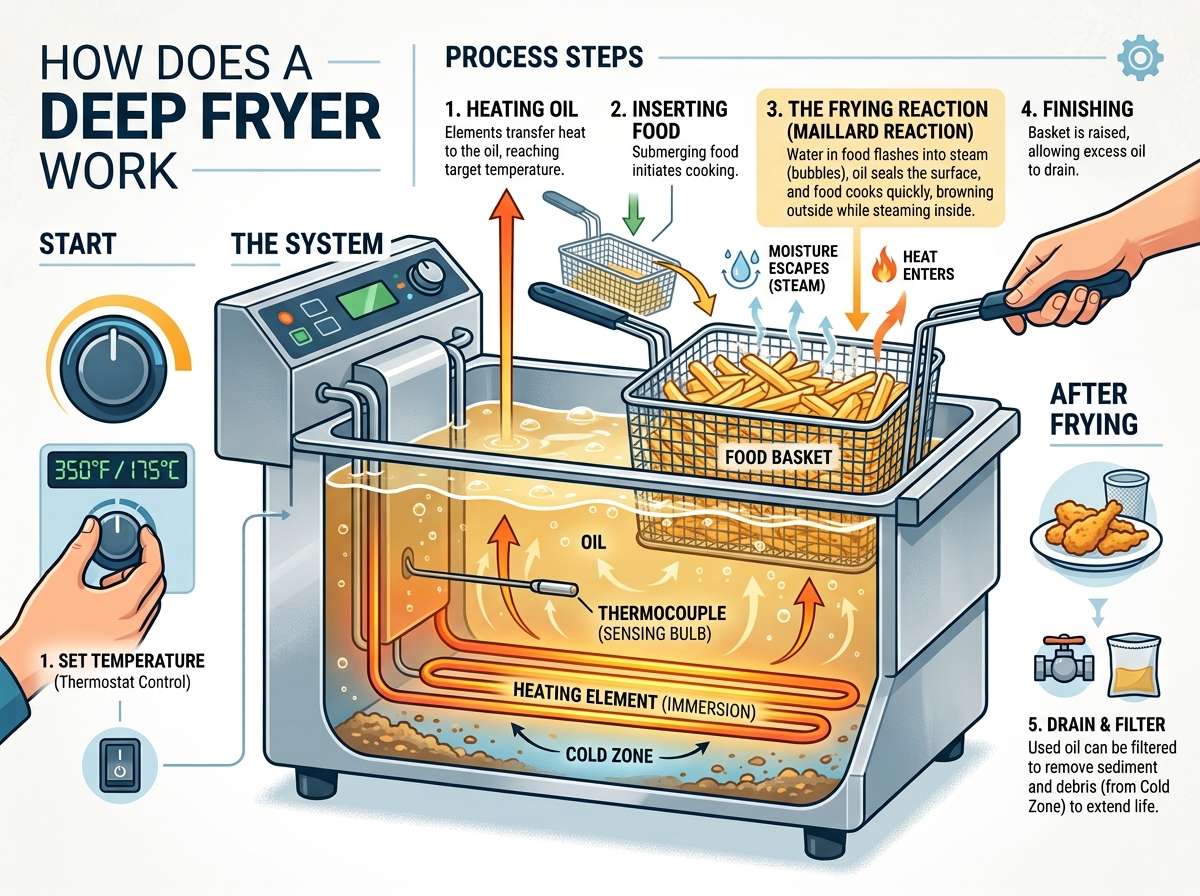
Every deep fryer, whether it’s a small home model or a massive commercial unit, has the same essential parts working together. Let’s break down each component so you know exactly what’s happening inside that stainless steel container.
The Heating Element
The heating element is the heart of any deep fryer. It’s an electric coil or metal rod that gets extremely hot when you turn on the machine. Think of it like the coil inside a toaster, but way more powerful. This element sits at the bottom of the oil tank and works continuously to keep the oil at your desired temperature.
The heating element maintains a consistent heat level throughout the cooking process. When the oil cools down because cold food enters it, the element automatically heats up to bring the temperature back where it needs to be. This automatic regulation is what makes deep frying so reliable and consistent.
The Oil Tank
The oil tank is simply the container that holds all your cooking oil. These tanks come in different sizes depending on how much food you plan to fry. A small home fryer might hold two or three liters of oil, while a commercial deep fryer in a restaurant can hold twenty liters or more.
The tank is typically made from stainless steel or heavy-duty plastic because these materials resist heat and oil without breaking down. The shape and design of the tank matter too. Most tanks have sloped sides at the bottom, which makes it easy to drain the oil when you need to clean or change it.
The Temperature Control System
This is where the smart part comes in. Every deep fryer has a thermostat that constantly checks the oil temperature. Once the oil reaches your set temperature, the thermostat sends a signal to turn off the heating element. When the temperature starts to drop, the thermostat turns the element back on.
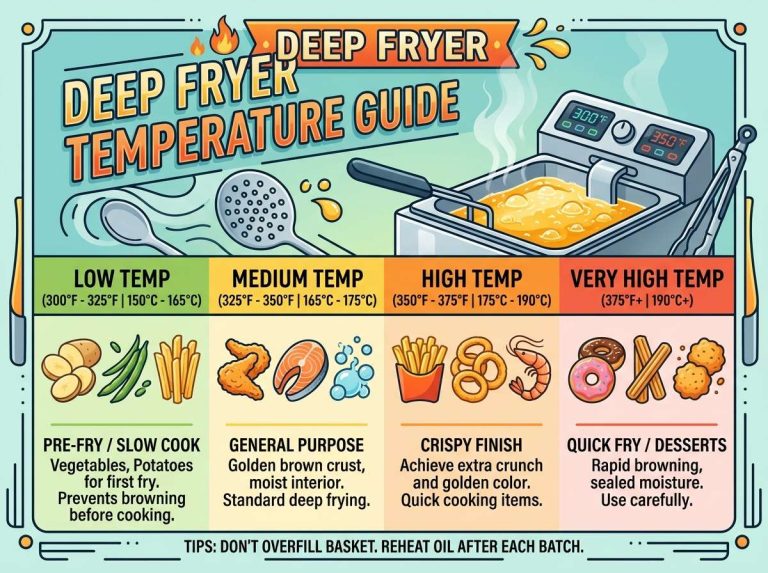
This back-and-forth cycling keeps your oil at exactly the right temperature. Most home deep fryers let you set temperatures between 150 and 200 degrees Celsius. Different foods need different temperatures, and getting this right is crucial for perfect results.
The Basket or Strainer
The basket is what holds your food while it fries. It has small holes that let the oil flow around the food while keeping it contained. Some baskets are removable so you can load food while it’s outside the oil, then carefully lower it into the hot liquid.
Other deep fryers have stationary baskets that stay inside the oil tank. With these models, you simply drop your food directly into the basket when it’s already in place. The basket design affects how evenly your food cooks, so quality matters here.
The Power Cord and Controls
The power cord connects your fryer to electricity, while the control panel lets you manage everything. Most control panels have a dial for temperature adjustment and an on-off switch. Some fancy models include digital displays that show exactly what temperature the oil has reached.
The power cord is extra thick and well-insulated because deep fryers draw a lot of electrical current. This is why you should never use a standard extension cord with a deep fryer—the electrical demand is too high and could create a fire hazard.
How the Deep Frying Process Actually Works
Now that you know the parts, let’s follow the journey of your food from start to finish.
Step One: Heating the Oil
When you first plug in your deep fryer and turn it on, the heating element springs to life. It starts warming the oil inside the tank, degree by degree. The thermostat keeps track of the rising temperature and sends signals to the heating element to keep going.
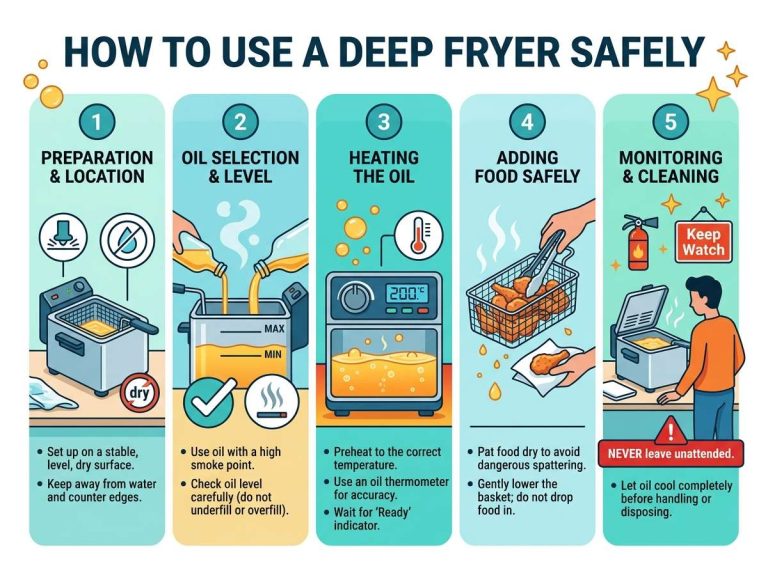
Most home deep fryers take between five and fifteen minutes to reach the right temperature. You’ll know it’s ready when the power light goes off or when the control panel shows your target temperature. Never skip this warming-up time—cold oil won’t fry food properly.
Step Two: Preparing Your Food
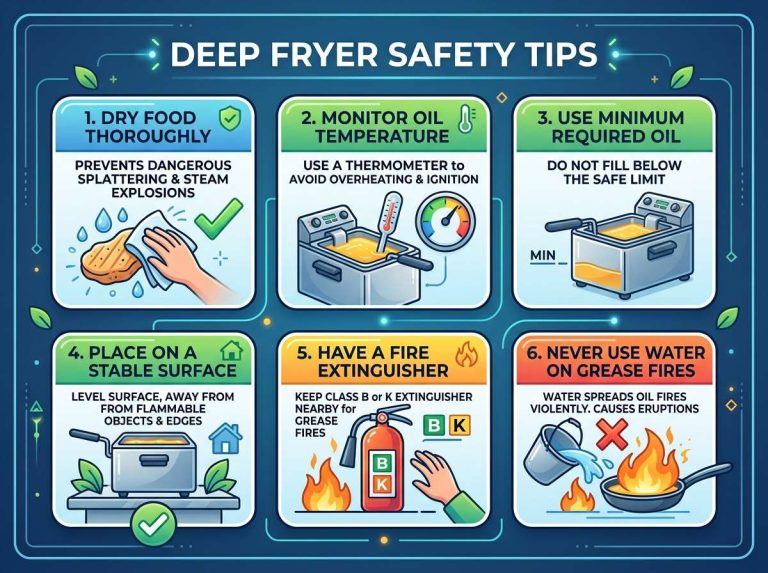
While the oil heats up, you get your food ready. This might mean cutting potatoes into fries, coating chicken pieces with batter, or even just patting shrimp dry. The food should be as dry as possible before it hits the oil because excess water causes the oil to splash and bubble aggressively.
Some people dip their food in a batter or breading before frying. The batter protects the inside of the food from getting too oily while creating that crispy shell everyone loves. This is optional—you can deep fry plain food too, but the results won’t be quite as interesting.
Step Three: Lowering the Food Into Oil
This is the exciting part. When the oil reaches the right temperature, you’re ready to cook. Lower your food slowly into the oil using the basket or a slotted spoon. Never just dump it in quickly, or you’ll splash hot oil everywhere.
The moment food enters hot oil, something incredible happens chemically. The water on the surface of the food instantly turns to steam, creating tiny bubbles. The food’s outer layers start to brown through a process called the Maillard reaction, which creates delicious flavors and that gorgeous golden color.
Step Four: The Cooking Magic
As the food fries, the oil temperature might drop slightly because the food was cooler than the oil. The heating element immediately starts working harder to maintain the temperature. The hot oil is now penetrating the food’s outer layers while cooking the inside through the transfer of heat.
The bubbling you see happening is water from inside the food turning into steam and escaping. This is actually a good sign—it means the oil is hot enough and your food is cooking properly. The oil fills any spaces left behind as the water leaves, creating that characteristic oily texture.
The exact cooking time depends on what you’re frying and how big the pieces are. French fries might take five to eight minutes, while thicker chicken pieces could need ten to fifteen minutes. Most foods are done when they turn a beautiful golden brown color.
Step Five: Removing the Food
Once your food looks perfectly cooked, it’s time to get it out. You lift the basket slowly to let excess oil drain back into the tank. Some of the oil clings to the food, which is why fried foods are, well, oily.
As soon as the food comes out, the oil temperature starts rising again since the cool food is no longer in it. The heating element detects this temperature drop and adjusts accordingly, working to get everything back to the right heat for your next batch.
Step Six: Draining and Serving
After removing the food from the oil, it’s common to place it on paper towels. The towels absorb some of the excess oil, making your food less greasy and more pleasant to eat. This step is totally optional, but it does improve the eating experience.
Serve your fried food as soon as possible while it’s still hot and crispy. As food cools down, it starts to lose that wonderful crispy texture. The outside begins to soften, and you’ll have less of that satisfying crunch with each bite.
Temperature’s Critical Role in Deep Frying
Getting the temperature right is absolutely essential for great results. Too cold, and your food becomes a greasy, soggy mess. Too hot, and the outside burns before the inside cooks through.
Different foods have different ideal temperatures. Most vegetables fry best between 160 and 175 degrees Celsius. Meat items like chicken need temperatures closer to 180 degrees Celsius. Foods battered with thick coatings sometimes need slightly lower temperatures so the coating doesn’t burn before the inside finishes cooking.
A good deep fryer thermostat maintains temperature within a narrow range, usually just a couple of degrees. This consistency is what separates home cooking from casual results and creates predictable, delicious fried food every single time.
The Chemistry Behind the Crispiness
The crispy texture everyone craves actually comes from a water-to-steam conversion happening at the food’s surface. As water escapes from the food as steam, the oil replaces it, creating a crispy layer. Meanwhile, the inside stays moist because the outer layer forms a protective barrier.
The browning color comes from the Maillard reaction, a chemical process where proteins and sugars in the food break down under high heat. This creates hundreds of new flavor compounds that give fried food its distinctive, delicious taste. You literally cannot get this same flavor from baking or boiling because those cooking methods don’t reach high enough temperatures.
Safety Features in Modern Deep Fryers
Most commercial and many home deep fryers include built-in safety features. A thermostat prevents overheating that could start a fire. Some models have automatic shutoff switches that turn off the fryer if something goes wrong.
Splatter guards are another common safety feature. These mesh screens sit above the food and catch any oil that tries to escape. They reduce splashing without blocking heat flow or making it harder to remove food.
Better quality deep fryers also have cool-touch handles and insulated exteriors so you won’t accidentally burn yourself. Some models have feet that prevent tipping, which is especially important in kitchens where people are moving around quickly.
Cleaning and Maintaining Your Deep Fryer
Keeping your deep fryer in good shape extends its life and keeps your fried food tasting great. After each use, let the oil cool, then pour it into a container for disposal or reuse.
Oil doesn’t last forever. Every time you fry food, the oil breaks down slightly. After cooking ten or fifteen batches, it’s time to replace it. You’ll notice the oil getting darker or smoking more easily when it’s time for a change.
Clean the basket and tank regularly with hot soapy water. Some tanks are removable, which makes cleaning easier. Never stick the heating element or thermostat directly in water—just wipe them clean with a damp cloth.
Commercial Versus Home Deep Fryers
Commercial deep fryers are basically souped-up versions of home models. They heat faster, hold way more oil, and can maintain precise temperatures for batch after batch without a break. Restaurants use them because they’re built to handle heavy use, sometimes frying hundreds of pounds of food every single day.
Home deep fryers are smaller and simpler, but they work on exactly the same principles. They might take a bit longer to heat up, and you can’t fry as much at once, but the results are just as good. For most people, a home fryer does everything they need it to do.
Common Mistakes People Make When Deep Frying
Overcrowding the basket is one of the biggest mistakes. When you cram too much food in at once, the oil temperature drops too much and your food comes out greasy instead of crispy. Give each piece space so the oil can flow around it evenly.
Using old, degraded oil ruins the taste and texture of your food. Replace your oil regularly instead of stretching it out for dozens of batches. Fresh oil makes a huge difference in how your fried food tastes.
Frying food straight from the refrigerator is another error. Cold food will lower the oil temperature significantly and may not cook evenly. Let food reach room temperature first, or at least take it out of the fridge a few minutes before frying.
The Future of Deep Frying Technology
Newer deep fryers include digital controls that let you program exact temperatures and cooking times. Some models have built-in filtration systems that extend oil life by removing burnt food particles automatically. These features make deep frying even more convenient and consistent.
There’s also growing interest in healthier deep frying methods. Some fryers can use less oil while still producing great results. Others let you control exactly how much oil the food absorbs. These innovations appeal to people who love fried food but want to be more health-conscious about it.
Why Deep Fryers Are Worth the Investment
Deep fryers deliver consistent, delicious results that are hard to match with other cooking methods. The combination of high heat, complete coverage, and precise temperature control creates food that tastes fantastic and has that irresistible texture people crave.
A good deep fryer isn’t incredibly expensive, and it lasts for years with minimal maintenance. If you love fried food and cook it regularly, a deep fryer pays for itself quickly by letting you make restaurant-quality food at home.
Final Thoughts
Deep fryers work through a simple but elegant combination of components working together in harmony. The heating element maintains the oil at the perfect temperature while the thermostat keeps everything in check. The basket holds your food while the oil does its job, and before you know it, you have crispy, golden deliciousness ready to eat.
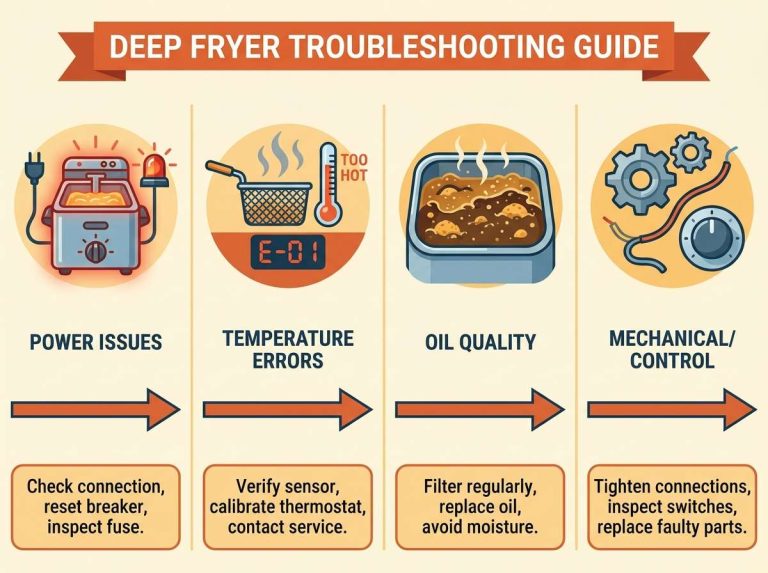
Understanding how your deep fryer works helps you use it better and troubleshoot problems when something doesn’t turn out right. You now know why temperature matters, why oil quality matters, and why timing matters. You understand the actual chemistry happening when your food fries. This knowledge transforms you from someone who just pushes buttons to someone who truly understands the art and science of deep frying.
Whether you’re frying up classic French fries, experimenting with fried pickles, or perfecting your fried chicken recipe, you’re now equipped with the knowledge to do it right. Get out there and fry something delicious today.

Mary is a home cooking enthusiast and kitchen appliance reviewer who loves helping people find the best tools for everyday meals. She enjoys testing air fryers, deep fryers, and other cooking appliances while sharing honest reviews and practical buying advice. Through FryerPick.com, Mary provides expert guides, product comparisons, and cooking tips to help readers choose the right fryer for their kitchen.